 Beauty
A Beginner Makeup Kit You Can Learn One Product at a Time
Lively iLearning Editorial · 4 min read
Some links on this site are paid or affiliate links, which may earn us a commission. Editorial source links are provided for reference. How our links work.
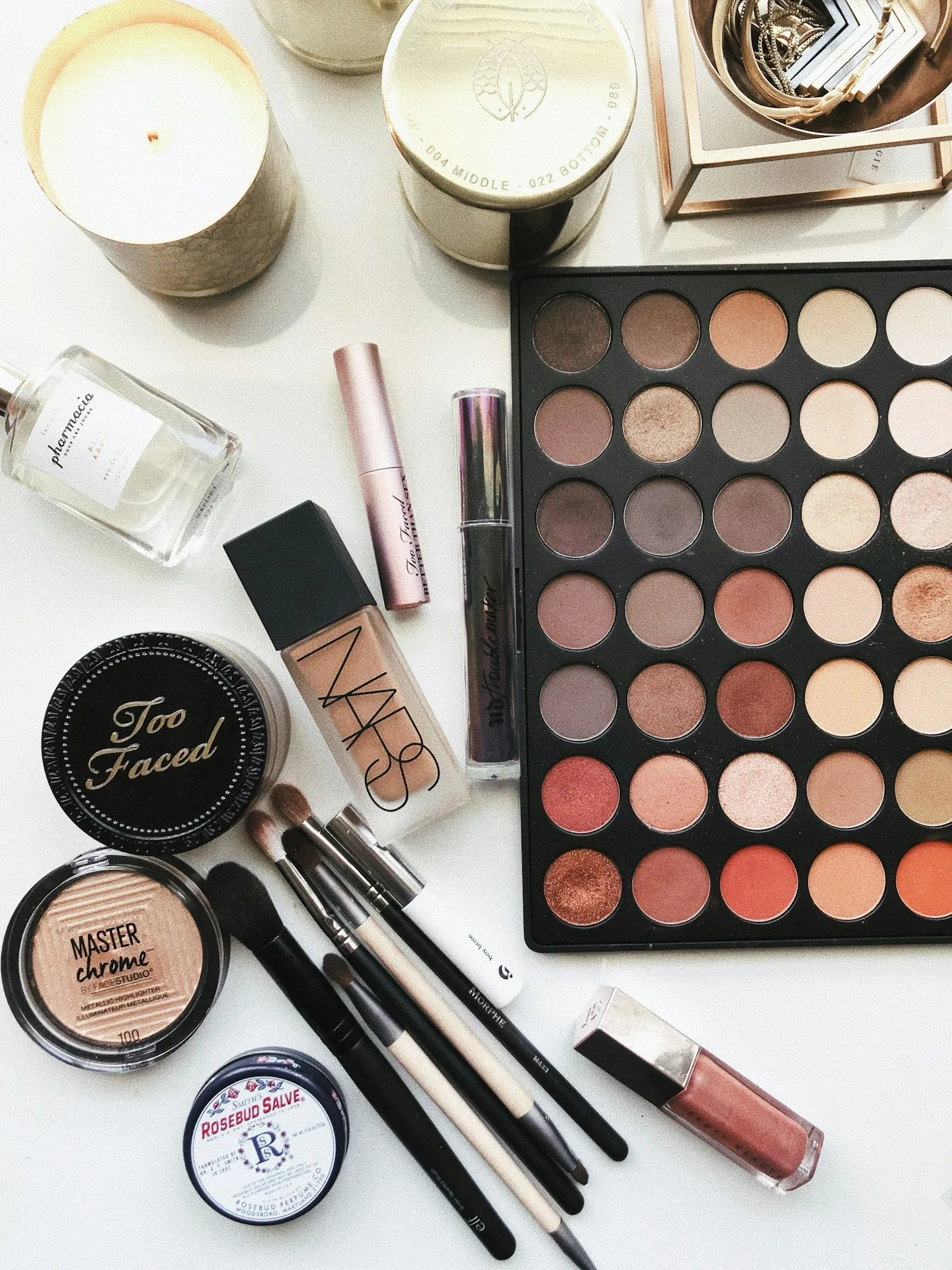
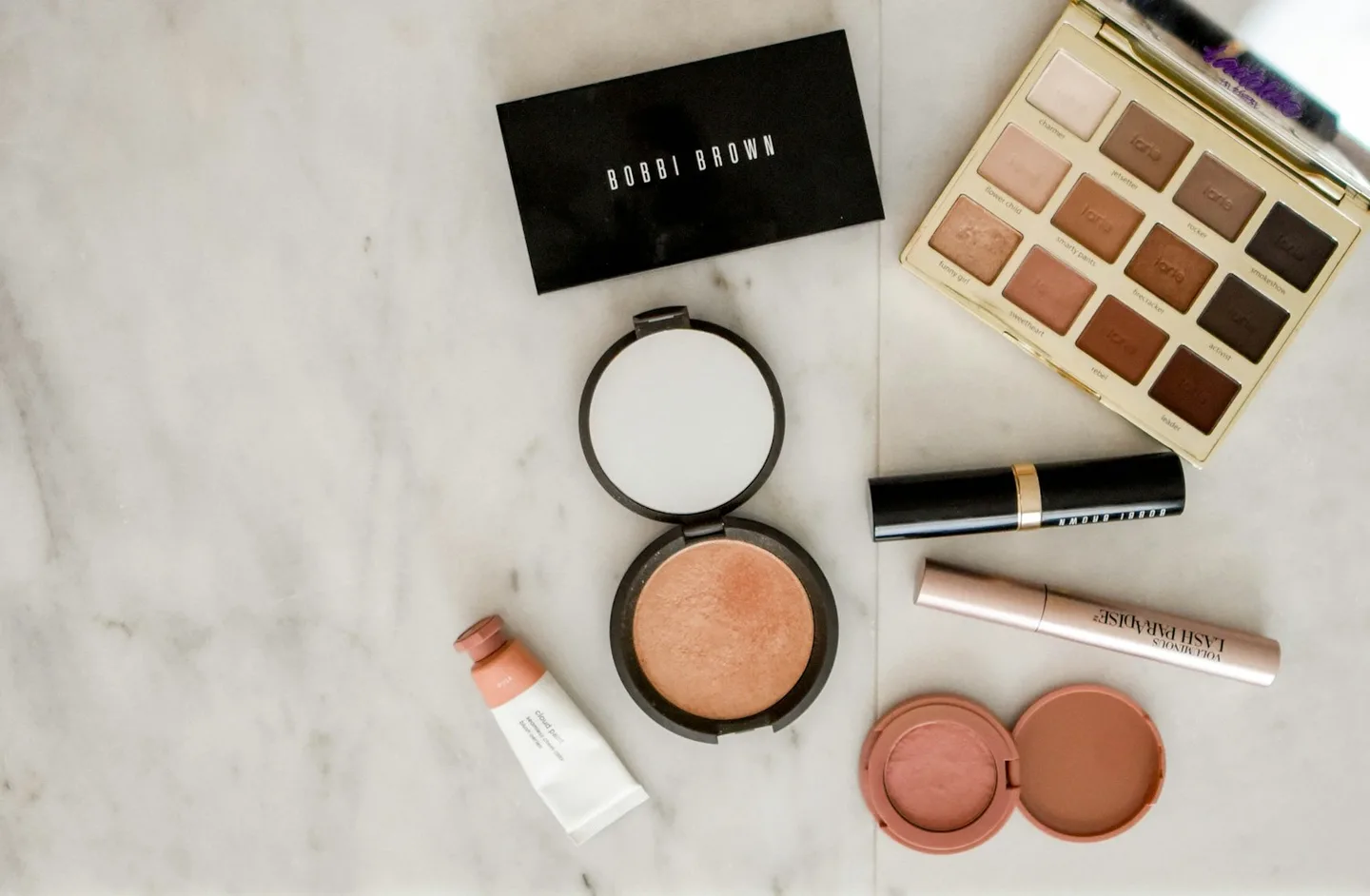
Starting makeup can feel like enrolling in a course whose supply list keeps expanding. A beginner kit works better when it answers two or three things you actually want to try. You do not need contour, elaborate eye colors, and a full brush roll before discovering whether you enjoy a little lip color.
Choose a low-pressure practice day. Keep enough time for removal and avoid making the first attempt a test before a wedding or job interview. The purpose is to learn how a product feels and behaves in your hands, not to reproduce an edited photograph immediately.
Choose the first jobs
If your interest is a little color, start with a lip or cheek product. Compare the texture and application style you would enjoy rather than buying a matching collection. A product you can place comfortably and refresh simply gives you room to learn.
If your interest is evening out visible color, investigate a suitable concealer or base. Shade matching matters more than owning a fashionable formula. MAC's official guide distinguishes shade depth, undertone, and finish, which is a useful way to separate decisions that can otherwise become tangled together.
If your interest is definition, choose brows or lashes as one experiment. Pick a product intended for the area and read its instructions. FDA guidance emphasizes clean eye cosmetics and personal applicators, so borrowing a friend's used tube is not the shortcut to take.
Buy the tools the products require
Some products work with clean fingers, others with a suitable brush or sponge, and some include a usable applicator. Read directions and ask for a permitted demonstration if available. Do not add tools simply because they appear in every video you have watched.
Start with a small number you can identify and maintain. If two brushes look identical to you and you cannot explain their different jobs, wait before buying both. A beginner kit should make decisions simpler, not turn each morning into a guessing exercise.
Learn by changing one variable
Try a small amount, observe the result in ordinary light, and adjust gradually. If the color looks too strong, experiment with the quantity or placement before assuming you need a different product. If the texture consistently feels wrong, that is useful information for the next purchase.
Keep a short note about what you liked and what was difficult. A pencil tip that breaks, a cap that will not stay closed, or a base that does not match your neck are specific problems. Looking bad at makeup is too vague to help you choose a solution.
Practice removal too. Choose a method appropriate for the products and follow directions without vigorous rubbing. Include removal and tool care in your budget, because a complete routine includes taking makeup off and keeping the application tools usable.
A first-kit checklist
- Two or three products with distinct jobs you want done.
- Correct intended use and clearly readable instructions.
- Only the tools needed for those specific products.
- A suitable removal method and somewhere clean to store the kit.
- A manageable budget with room to learn before adding more.
Retailer sets can be worthwhile when their contents match these jobs. A large discount does not make a set useful if most of it belongs to techniques you have no interest in learning. Check full sizes, return conditions, and the total cost of any required extras.
Beginner questions
Must I wear foundation first?
No. Start with the feature that interests you. Lip color or a little brow definition can be a complete choice without a base.
How do I know when to add something?
Wait until you can name the new job. Wanting a different lip finish is clear; feeling that everyone owns more makeup is not a practical requirement.
What if I prefer very little makeup?
That preference can guide the entire kit. Learning gives you more options, including the option to keep your routine small.
Sources & further reading
Sources checked October 18, 2026. Availability and product details can change; check the seller's current description before buying.
Editorial issue: March 15, 2023. Issue dates organize this launch collection into two editions per month; they do not indicate that this article was online before its publication date.
Have a correction or a useful question? hello@livelyilearning.life