 Beauty
A Five-Minute Makeup Routine for Mornings That Start Too Soon
Lively iLearning Editorial · 4 min read
Some links on this site are paid or affiliate links, which may earn us a commission. Editorial source links are provided for reference. How our links work.
The kettle is boiling, your first meeting begins in half an hour, and the makeup drawer offers twenty possible decisions. A useful quick routine removes most of those decisions before morning arrives. Instead of trying to compress a full occasion face into five minutes, choose one complexion step, one feature to define, and one color that makes the whole look feel deliberate.
This is a planning exercise rather than a promise that a particular formula will last all day. Your usual skincare, the weather, and how often you touch your face all affect the result. Practice once on an unhurried day with products you already know, then place the small working selection together.
Give every minute a job
Use the first minute to check your face in ordinary light and decide where coverage would actually help. A little concealer around an uneven area may be enough; a complete foundation layer is optional. Apply a small amount, blend the edges, and stop before you begin correcting areas that were never bothering you.
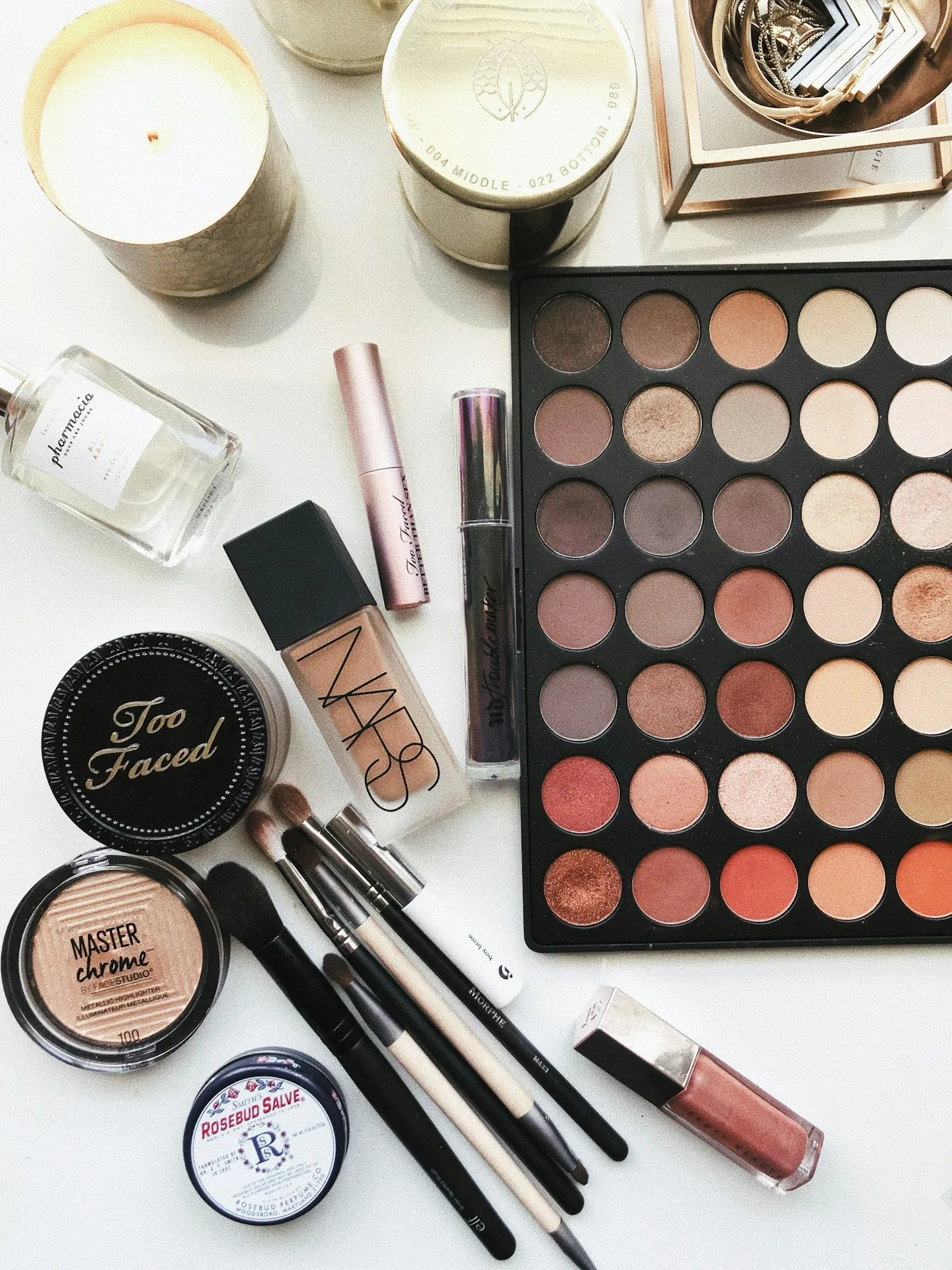
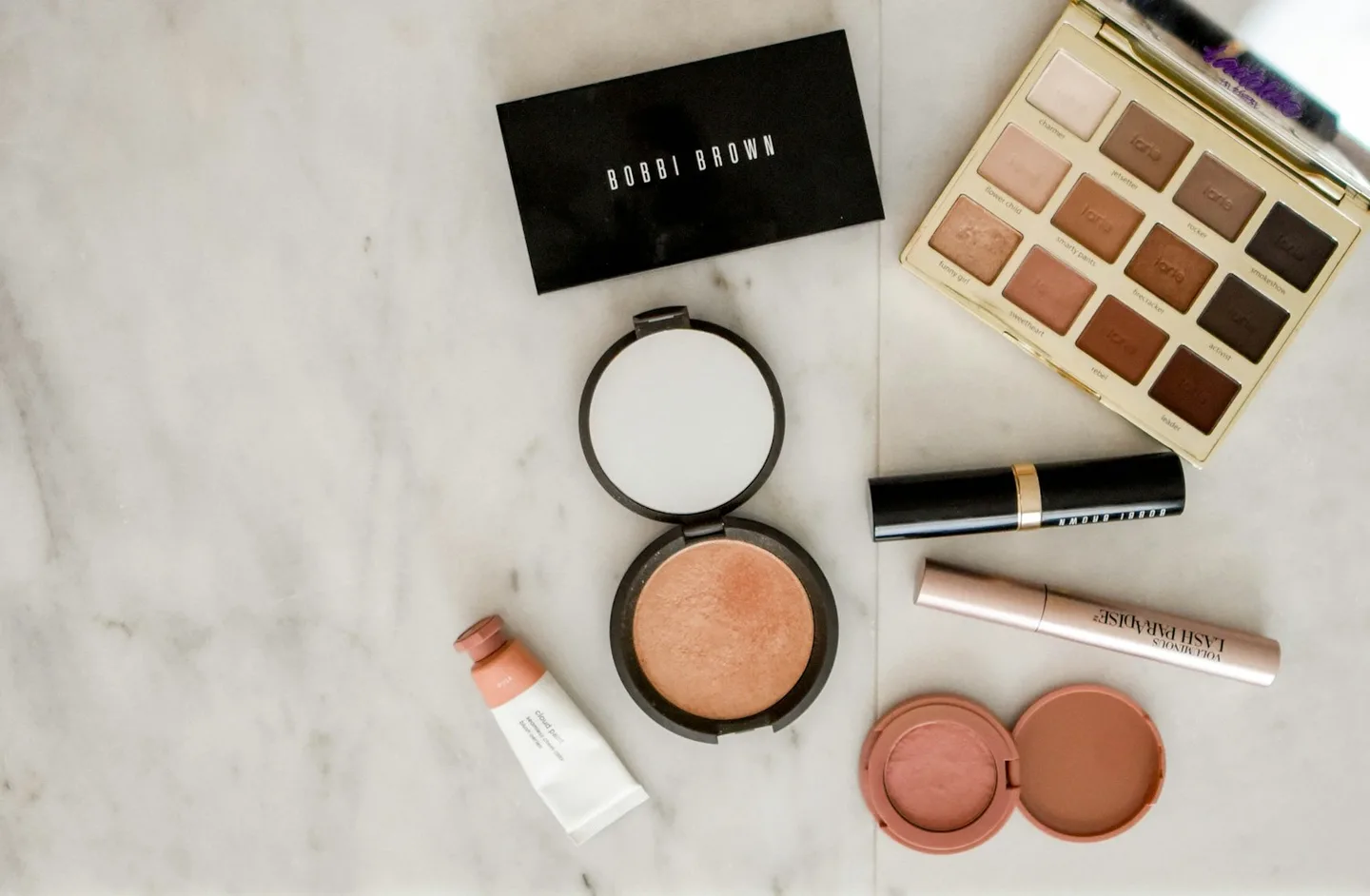
During the second minute, add a familiar cheek color. A cream can be convenient if you like fingertip application, while powder suits someone who already reaches for a brush. Neither format automatically makes the routine faster. The fastest one is the texture you can place accurately without repeatedly blending it away.
Give the third minute to brows or lashes. Choose the feature that matters most to you and leave the other alone if necessary. A brow gel can arrange hairs without a drawn shape; a pencil offers more control over a visible gap. Apply eye cosmetics while standing still, with a clean applicator and enough light to see what you are doing.
In the fourth minute, apply a lip product you can comfortably refresh. A sheer finish makes a soft edge easy, but a familiar opaque lipstick can be equally quick. Reserve the final minute for a daylight check, checking the jawline, and closing every lid before you leave.
Buy for the bottleneck
If your foundation takes several minutes to blend, a better shade match may help more than a new brush. MAC's official shade guide separates depth, undertone, and formula choice; its naming system also illustrates why matching letters between brands is unreliable. Compare the actual shade and finish rather than assuming a familiar number transfers.
If the problem is finding things, spend nothing initially. Use a shallow tray or the pouch already in your cupboard. If the problem is an unreliable lid that leaks into your bag, packaging deserves priority over another shade. A product earns its place by removing a repeated frustration, not by promising to transform your morning.
A small working menu
- Coverage: one familiar concealer or base, selected for your current color.
- Color: one cheek product that works with your usual work clothes.
- Definition: your preferred brow product or mascara, kept within its recommended use period.
- Finish: one comfortable lip color and a small mirror.
- Tools: only the brush or sponge you actually need, with a plan for cleaning it.
Keep occasional extras elsewhere. A glitter palette can be wonderful for dinner and still be an unnecessary decision on a Tuesday morning. Separating everyday products from play products makes both collections easier to enjoy.
Questions before you simplify
Do I need a multitasking stick?
Only if its label permits every intended application and you enjoy the finish in those places. A product marketed for cheeks is not automatically suitable near the eyes. Two small reliable products can be a better purchase than one compromise.
What should I leave out first?
Remove the step whose absence you notice least. Try skipping contour, elaborate eye shadow, or a full base on different mornings rather than buying a complete new minimal kit. The useful routine is the one you can repeat comfortably with your real schedule.
Sources & further reading
Sources checked October 18, 2026. Availability and product details can change; check the seller's current description before buying.
Editorial issue: March 1, 2022. Issue dates organize this launch collection into two editions per month; they do not indicate that this article was online before its publication date.
Have a correction or a useful question? hello@livelyilearning.life