 Beauty
A Makeup Brush Collection Built Around Five Real Jobs
Lively iLearning Editorial · 4 min read
Some links on this site are paid or affiliate links, which may earn us a commission. Editorial source links are provided for reference. How our links work.
A large brush set can look like a sensible deal until most of its pieces remain untouched. For a small everyday kit, start with the jobs you need done rather than the number of handles in the box. You might discover that five tools are plenty, or that three cover your entire routine.
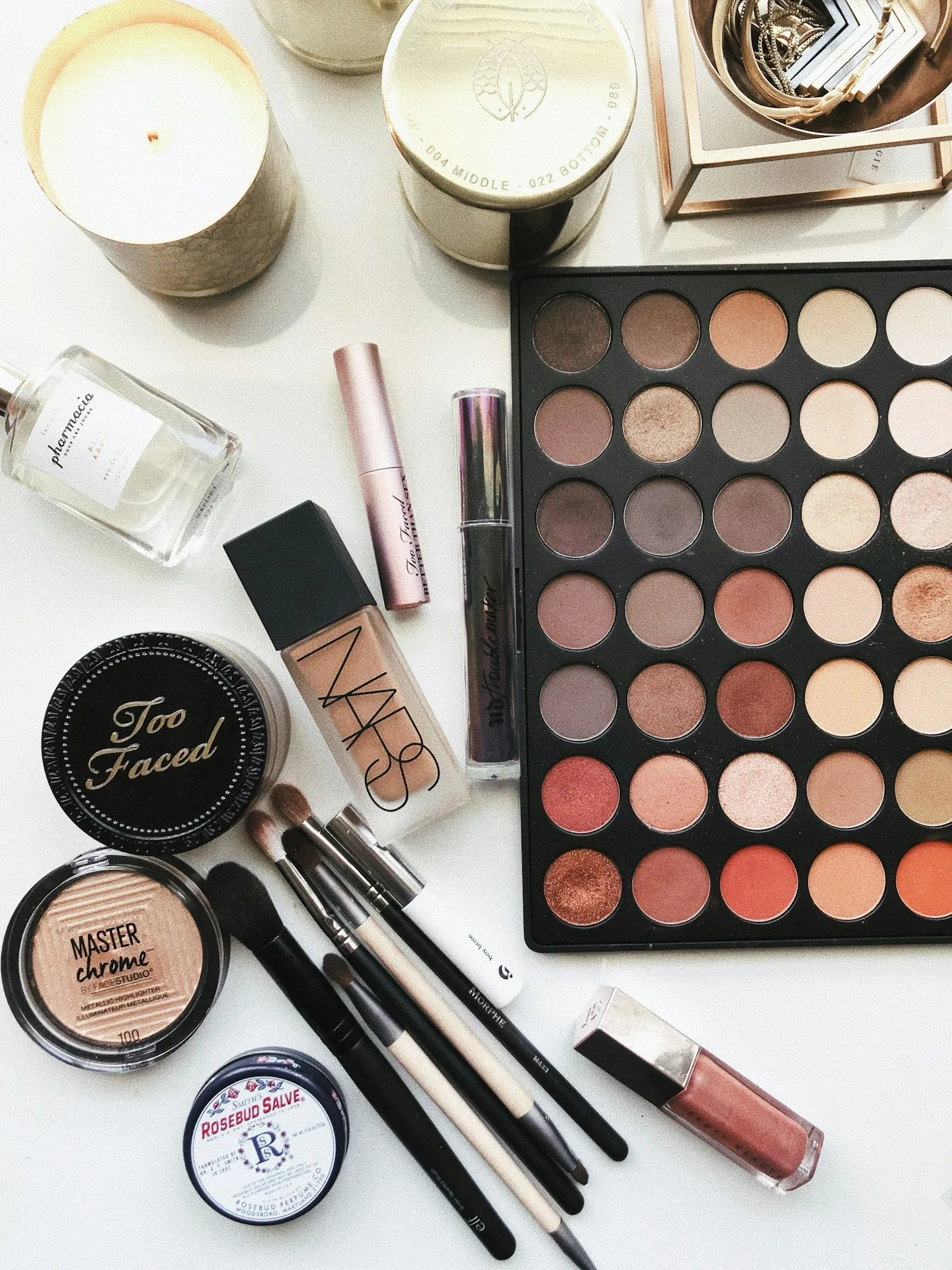
Place your frequently used makeup on a table and write down how you apply each product. Products that work well with clean fingers do not automatically need a dedicated brush. A kit should make your preferred techniques easier, not create new steps merely because the tools are available.
Start with the broad surfaces
The first possible job is applying base. A relatively dense face brush can distribute a liquid or cream, while a sponge gives a different handling experience. Try your existing tool with a smaller amount of product before deciding it needs replacing. If the result is consistently streaky, examine the shade, texture, and application pressure as well as the brush.
The second job is placing cheek color. Look for a size that feels proportionate to the area where you apply blush. An enormous fluffy brush can be lovely for a soft wash but frustrating when you want a small, deliberate placement. A very compact brush can deposit more color than a beginner expects.
The third job is selective powder. Choose a shape that reaches the places you actually powder, rather than assuming every face needs a giant powder brush. Someone who only adds powder beside the nose might find a smaller tapered shape more useful than a broad dome.
Add detail only where you use it
The fourth job is blending eye shadow. A softly rounded brush can help diffuse an edge, but it is not necessarily the best tool for pressing on a concentrated shimmer. If your eye look is usually one matte color, a single blending brush may be enough. Check the eye product's application guidance rather than improvising with unsuitable materials.
The fifth job is precise placement. This might be a small flat brush for concealer, an angled brow brush, or a lip brush. Choose the one you would reach for repeatedly. There is no prize for owning every specialist shape, and a brush that suits your friend's routine may have little relevance to yours.
Judge the handle as well as the head
A short handle fits a travel pouch but can feel awkward if you usually hold tools far from your face. A heavy handle may feel luxurious in a shop and tiring during detailed work. Check that the head feels securely attached and that the bristles do not scratch when handled gently.
Read cleaning instructions before purchase. The American Academy of Dermatology recommends washing makeup brushes every seven to ten days. Plan enough drying time and storage space for the tools you choose; an impressive collection becomes a chore if you cannot comfortably keep it clean.
A useful shopping checklist
- Name the exact product and application job for each brush.
- Compare head size with the area where you intend to use it.
- Check pouch fit, handle length, and comfortable grip.
- Look for clear material and care information from the manufacturer.
- Compare the cost of the needed individual brushes with the full set.
Buying a set is reasonable when most of its pieces have a purpose and the quality suits you. Buying individual brushes makes more sense when a set mainly repeats shapes or includes elaborate eye tools you will never use.
Before you replace everything
Can one brush do several jobs?
Sometimes, when the products and cleaning routine allow it. Consider whether leftover pigment will muddy the next color. Using one brush for everything is inconvenient if it requires washing between every step.
Does a higher price guarantee a better result?
No universal price rule can settle comfort, shape, and compatibility. Spend on a specific improvement you can identify, and keep a brush that already works well.
Sources & further reading
Sources checked October 18, 2026. Availability and product details can change; check the seller's current description before buying.
Editorial issue: May 1, 2022. Issue dates organize this launch collection into two editions per month; they do not indicate that this article was online before its publication date.
Have a correction or a useful question? hello@livelyilearning.life