 Beauty
A One-Palette Eye Look for People Who Do Not Want a Tutorial Every Morning
Lively iLearning Editorial · 4 min read
Some links on this site are paid or affiliate links, which may earn us a commission. Editorial source links are provided for reference. How our links work.
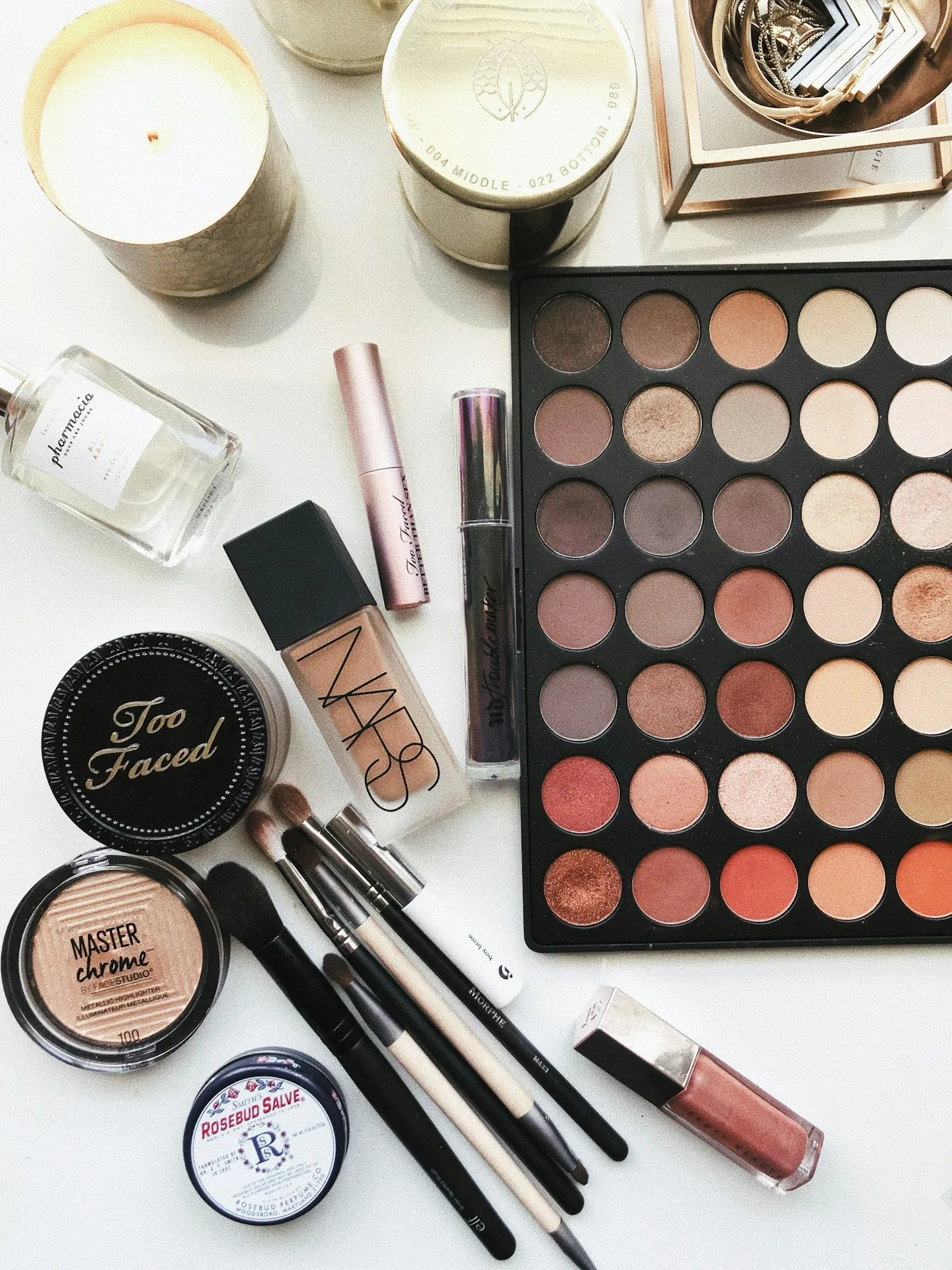
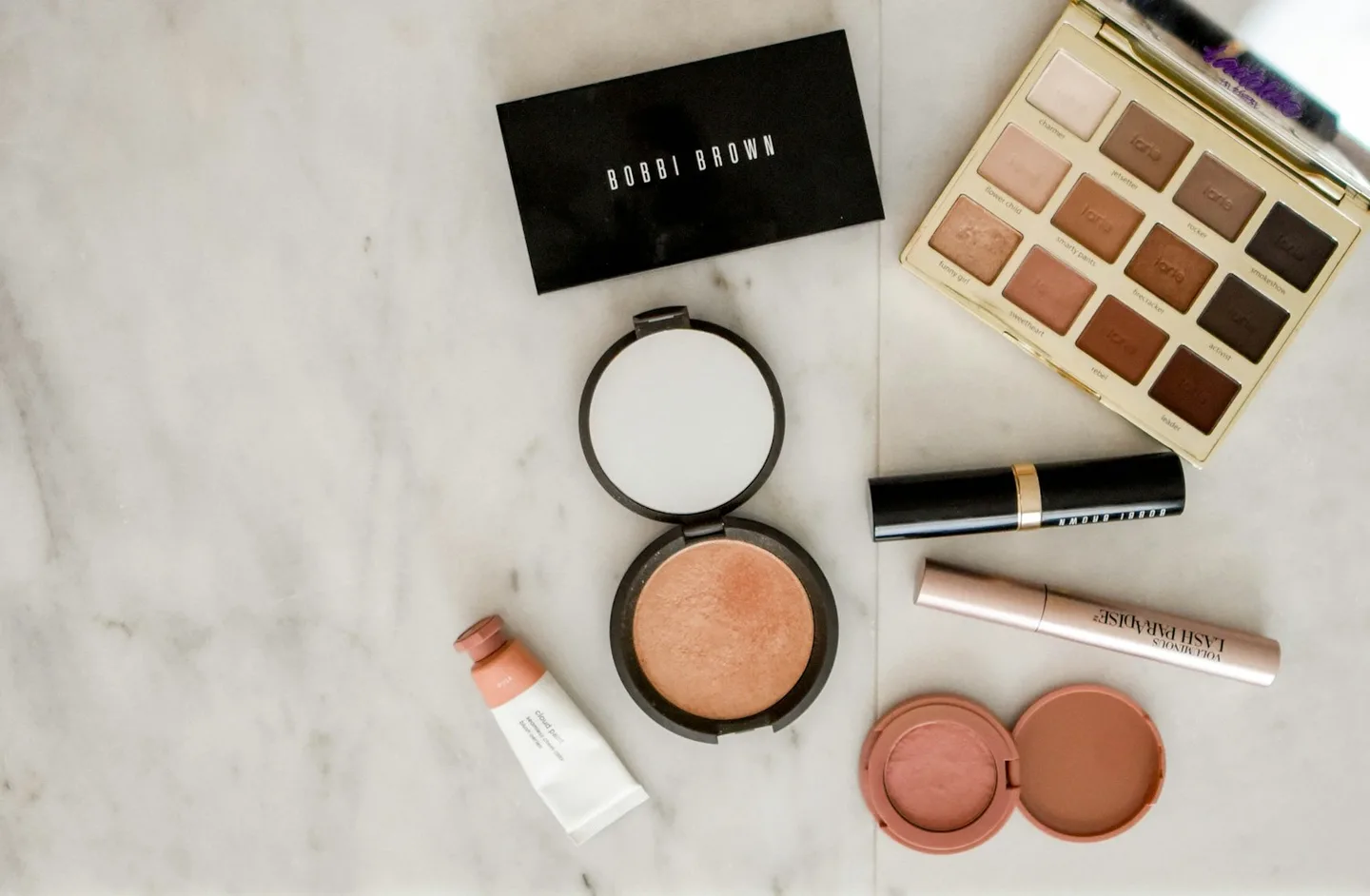
A palette with a dozen colors can create the impression that every look requires a dozen steps. In practice, an everyday eye routine can use one main shade and one optional adjustment. The useful palette is the one whose colors have clear jobs for you, rather than the one with the most impressive number of pans.
Think about the makeup you like wearing on an ordinary weekday. Do you want a soft wash of color, a slightly defined lash line, or a little shine that appears when you move? Name the effect before choosing the palette. This keeps shopping focused on an achievable result.
Choose a main shade you can recognize
Your main shade should be one you enjoy across the area where you normally apply shadow. It need not be beige or brown. A muted rose, soft bronze, or gentle plum can play the same everyday role if it feels natural with your clothes and preferences.
Look at finish as carefully as color. Matte, satin, and shimmer can create different impressions even when the pans appear similar. If a permitted sample is available, examine it in ordinary light and ask about the intended application. Photographs of heavily built swatches may not show the softer effect you would wear.
Add contrast deliberately
A second slightly deeper shade can provide definition if you like that effect, but it is optional. Place it only where it supports your intended shape and blend carefully. You do not need to create a complicated gradient merely because the palette offers several neighboring colors.
If you prefer a reflective finish, choose an eye-area product and follow its application guidance. Do not assume a craft glitter or a pigment intended for another area belongs near the eyes. FDA eye-cosmetic guidance makes the intended use and approved application area important practical considerations.
Match the tool to the task
A soft rounded brush may help diffuse a wash of color; a flatter shape may suit more concentrated placement. You do not automatically need both for a single-shade routine. Try the brush you already own before adding several specialized pieces.
Keep tools clean and avoid sharing eye cosmetics. If a product's condition has changed or you cannot establish its history, it is not a reliable foundation for a daily routine. A palette can remain visually attractive long after you have stopped knowing whether it was stored appropriately.
Apply while stationary with a clear mirror. Give yourself room to place color gradually instead of using a large amount and spending the rest of the morning correcting it. Stepping back from the mirror can help you judge the overall effect rather than concentrating on tiny asymmetries.
The useful palette checklist
- At least one shade has an obvious role in your normal week.
- The finishes suit the effect you actually like wearing.
- You can use the colors with your existing tools or one clearly needed addition.
- The packaging closes securely and fits your storage.
- The cost makes sense for the shades you will use, rather than the total pan count.
A small palette can be poor value if only one shade interests you, while a single shadow can be excellent value if you use it consistently. Compare usable choices rather than advertised possibilities. Leave brightly colored extras for a separate enjoyable experiment if they do not belong in the daily routine.
Everyday eye questions
Do I need a primer?
Only if it solves a problem in your routine and suits the products you use. Try your existing shadow as directed before adding another layer automatically.
Can I use the deepest shade as liner?
Check the manufacturer's intended use and application instructions. Do not improvise with a product in an area for which it is not intended.
What if I only use one color?
That is a complete routine if you like the result. A palette does not create an obligation to use every pan at once.
Sources & further reading
Sources checked October 18, 2026. Availability and product details can change; check the seller's current description before buying.
Editorial issue: November 15, 2022. Issue dates organize this launch collection into two editions per month; they do not indicate that this article was online before its publication date.
Have a correction or a useful question? hello@livelyilearning.life