 Beauty
A Month of Using Your Beauty Favorites Before Buying More
Lively iLearning Editorial · 4 min read
Some links on this site are paid or affiliate links, which may earn us a commission. Editorial source links are provided for reference. How our links work.
A month of using what you own can be an enjoyable way to reconnect with favorites that newer purchases have crowded out. The aim is not to finish products at any cost. It is to learn which items fit your real routine and which shopping decisions you would like to make differently.
Choose a month that makes sense for you and define the boundaries before starting. You might pause optional color purchases while allowing replacements of daily essentials. A clear, flexible rule is easier to follow than a dramatic promise that ignores ordinary needs.
Build a small working selection
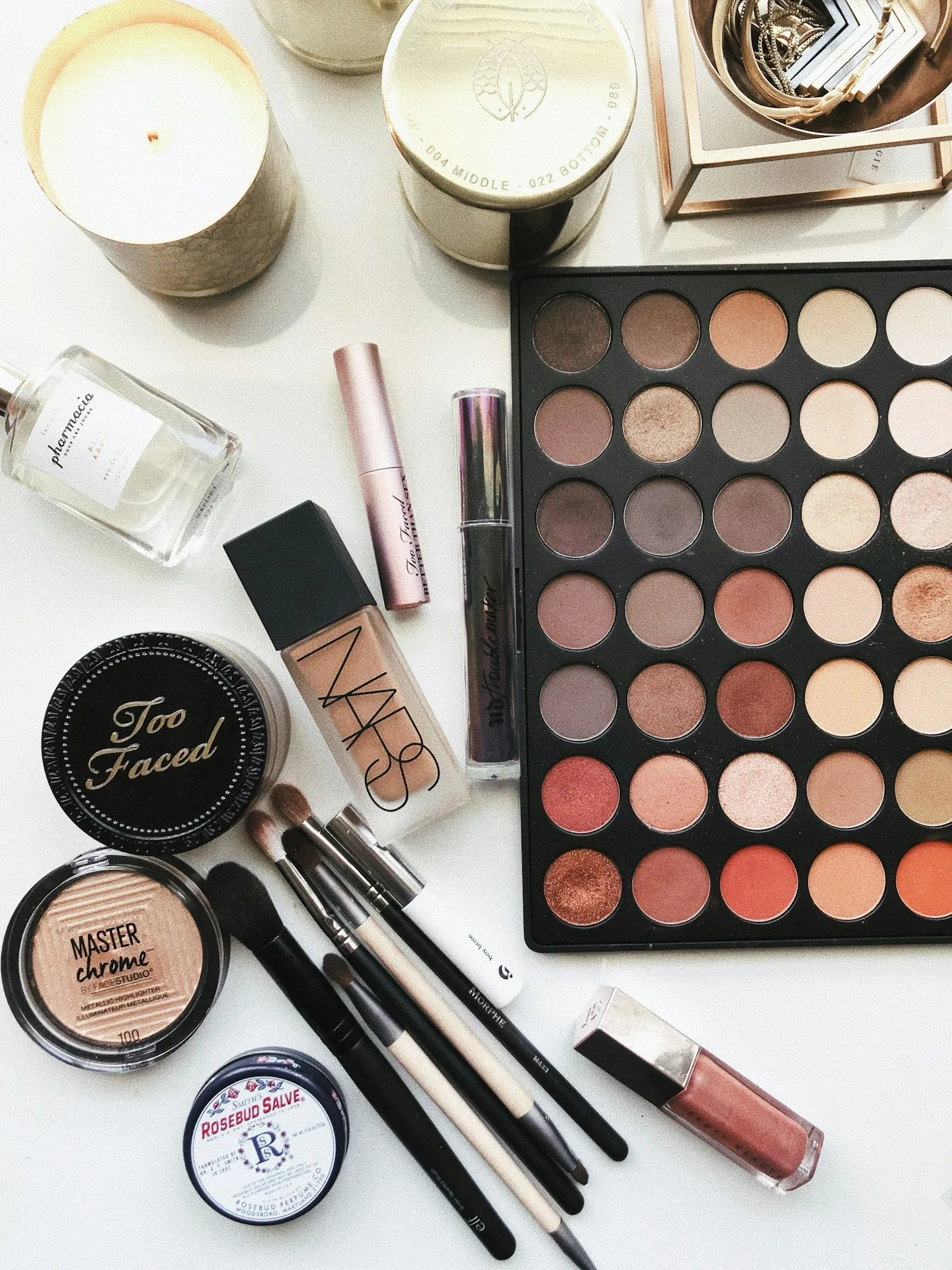
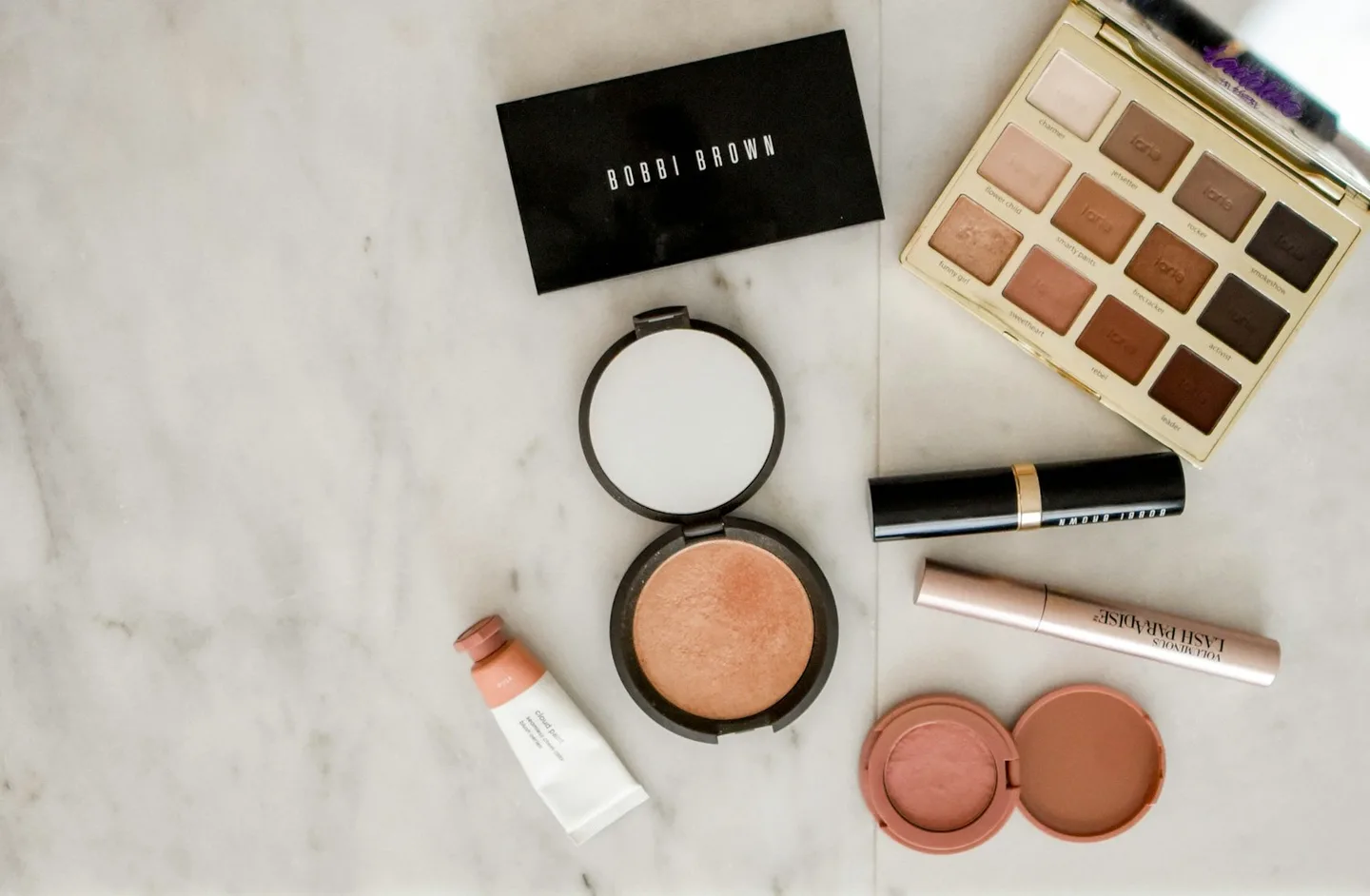
Choose products in suitable condition that you already enjoy. Include a base if you use one, a cheek color, a few lip options, and any other genuine daily staples. Keep the selection manageable enough that you can see every item without searching through layers.
Check labels and your knowledge of the products' history. FDA guidance explains why cosmetic condition and storage matter over time. This is not an opportunity to force yourself through an item that has changed unexpectedly or that you are unsure is appropriate to use.
Place occasional and experimental products elsewhere while keeping them accessible. The goal is a clearer daily decision, not artificial deprivation. If you have an event that calls for another existing shade, use it and record why it was useful.
Notice patterns without measuring everything
A brief weekly note is enough. Write down what you reached for, what you avoided, and what repeatedly caused difficulty. You may discover that a favorite texture matters more than color variety, or that poor packaging is why a promising product never leaves the drawer.
Avoid inventing exact usage targets. Applying more foundation or lipstick solely to create visible progress defeats the purpose. Use products in the amount and manner their directions support, and let ordinary use reveal what fits.
Keep a wish list with questions
When a new launch catches your attention, save the name and write the specific reason. Is it a texture you have never tried, a useful replacement, or a color close to one you own? Add a question that the purchase would answer rather than treating interest as a commitment.
Wait until the end of the month to review optional purchases. Some will still sound exciting; others will have lost their urgency. This delay can make a sale easier to interpret because the desire no longer depends entirely on the promotional moment.
A useful weekly check-in
- Which product made getting ready easier?
- Which item required more effort than I wanted to give?
- Did a genuine replacement need appear?
- What new purchase still has a clear purpose?
- What can I stop keeping in the daily tray?
These questions create practical information without turning the collection into homework. If tracking feels tedious, take one simple photograph of the working selection and use that as a reminder. There is no need to publish progress or compare your collection with anyone else's.
Spend deliberately afterward
At the end of the month, choose whether to replace an essential, try one focused experiment, or buy nothing. If you purchase, compare the new item's job with the favorites you used most. An unfamiliar product should offer something you can describe beyond novelty alone.
Consider the full routine cost. A new formula that needs a different tool or remover may be a larger decision than its price suggests. Equally, a small extra bought for pleasure can be entirely reasonable when it fits your budget and you recognize its purpose.
Shopping-pause questions
What if an essential runs out?
Use the replacement allowance you defined. The exercise is intended to improve decisions, not prevent you from maintaining an ordinary routine.
Must I finish every product before buying anything?
No. Condition, suitability, and enjoyment matter. The useful lesson is knowing what you want to repeat, not treating every past purchase as a debt.
What counts as success?
A clearer understanding of your preferences, a less crowded daily selection, and a purchase list with specific reasons are meaningful results even if no container becomes empty.
Sources & further reading
Sources checked October 18, 2026. Availability and product details can change; check the seller's current description before buying.
Editorial issue: April 15, 2023. Issue dates organize this launch collection into two editions per month; they do not indicate that this article was online before its publication date.
Have a correction or a useful question? hello@livelyilearning.life