 Lifestyle
How to Add Color at Home Without Replacing Everything
Lively iLearning Editorial · 4 min read
Some links on this site are paid or affiliate links, which may earn us a commission. Editorial source links are provided for reference. How our links work.
A room can feel ready for color long before its furniture is ready for replacement. Perhaps the sofa still fits the household, the curtains work, and the rug is easy to live with, but everything looks quieter than you would like. Begin by treating those useful pieces as the background. You do not have to start from an empty room to make a different visual choice.
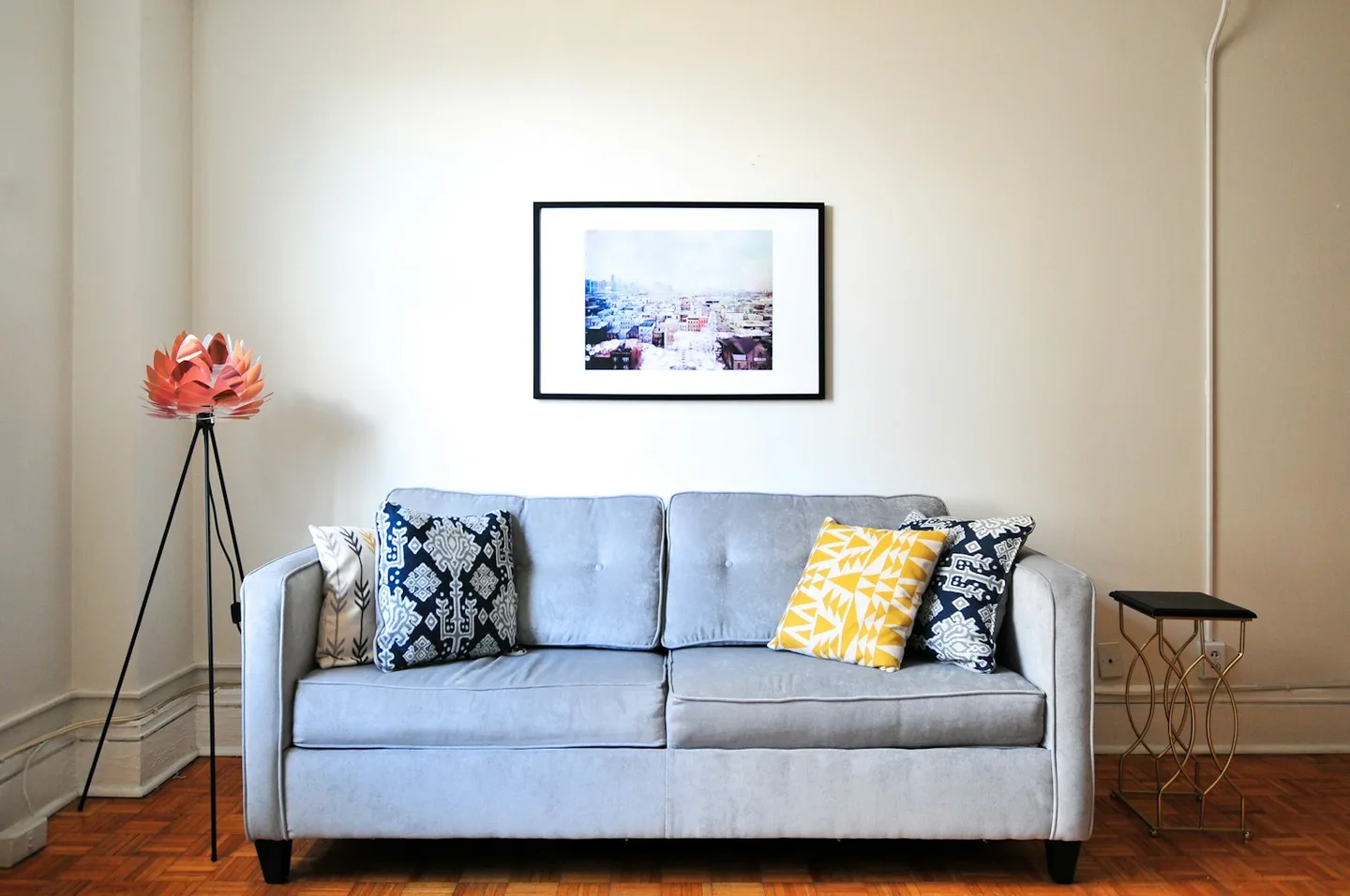
Look for an existing object with colors you already enjoy: a book cover, a print, a ceramic bowl, or a patterned cushion. Choose one color to repeat and a second to use sparingly. This gives the next purchase a job. It is easier to judge a cheerful lamp against a clear palette than against the instruction to make the whole room more interesting.
Test color where the light changes
Move a colored object through the room in daylight and in the evening. Set it against the wall, next to the sofa, and beside the largest wooden piece. Colors change in relation to their surroundings. A coral that looks soft beside cream may look much brighter beside charcoal, while a blue can appear quite different under a warm lamp.
A small cloth, paper sample, or existing accessory is enough for this experiment. Do not judge an expensive furnishing solely from a screen. If samples are available, use them; otherwise check the return conditions before ordering. The cost of returning a large item can matter as much as its original price.
Work from reversible to permanent
| Change | Why start here | What to check |
|---|---|---|
| A cushion cover | Uses an insert you may already own | Actual dimensions, fastening, and care label |
| A print or small object | Easy to move between rooms | Scale and a suitable display location |
| A larger textile | Creates a bigger field of color | Maintenance and how it sits beside existing patterns |
Textiles are often a useful middle ground. A cover can change the room without requiring a new insert, but only when the sizes truly match. Browse a retailer's material and care details, such as those on IKEA's cushion pages, rather than buying by the color name alone. The least practical fabric in the household will become a maintenance task no matter how well it matches.
Leave some things quiet
Color becomes easier to read when it has breathing room. If you add a patterned throw, try a plain neighboring cushion before adding another pattern. Repeat a small amount of one shade elsewhere so that the new object feels connected. That repetition can come from a book spine or a flower; it need not be another purchase.
Spend where an item contributes to both comfort and appearance. A lamp you need for reading has a more convincing role than a decorative object you keep moving out of the way. Skip coordinated bundles if half of the pieces do not fit your room. A slower collection can feel more personal and leave fewer objects without a useful place.
Before you buy
- Name the exact color and the role it will play.
- Measure the place where the object will live.
- Compare it with the room in both daylight and evening light.
- Check cleaning requirements and return conditions.
- Remove one competing accent before deciding the room needs more.
Common questions
Can different wood finishes work together?
They can. Instead of making every finish identical, repeat a few colors or shapes around them. Test how the finishes look together before buying another large piece intended to make the difference disappear.
What if a bright color feels tiring?
Use a smaller area of it, or place it somewhere you pass rather than somewhere you face for hours. A vivid tray on a side table creates a different experience from a vivid wall behind your everyday screen.
Sources & further reading
Sources checked October 18, 2026. Availability and product details can change; check the seller's current description before buying.
Editorial issue: October 1, 2025. Issue dates organize this launch collection into two editions per month; they do not indicate that this article was online before its publication date.
Have a correction or a useful question? hello@livelyilearning.life