 Style
StyleA Workable Outfit for a Casual Job Interview
Lively iLearning Editorial · 4 min read
Some links on this site are paid or affiliate links, which may earn us a commission. Editorial source links are provided for reference. How our links work.
A casual workplace can make interview dressing feel less clear, not more. You want to show care without appearing to have ignored the environment. Begin with any instructions from the employer and the nature of the role. If important details are unclear, a concise question to the recruiter is more useful than trying to decode every photograph on the company's website.
Aim for a coherent level of formality
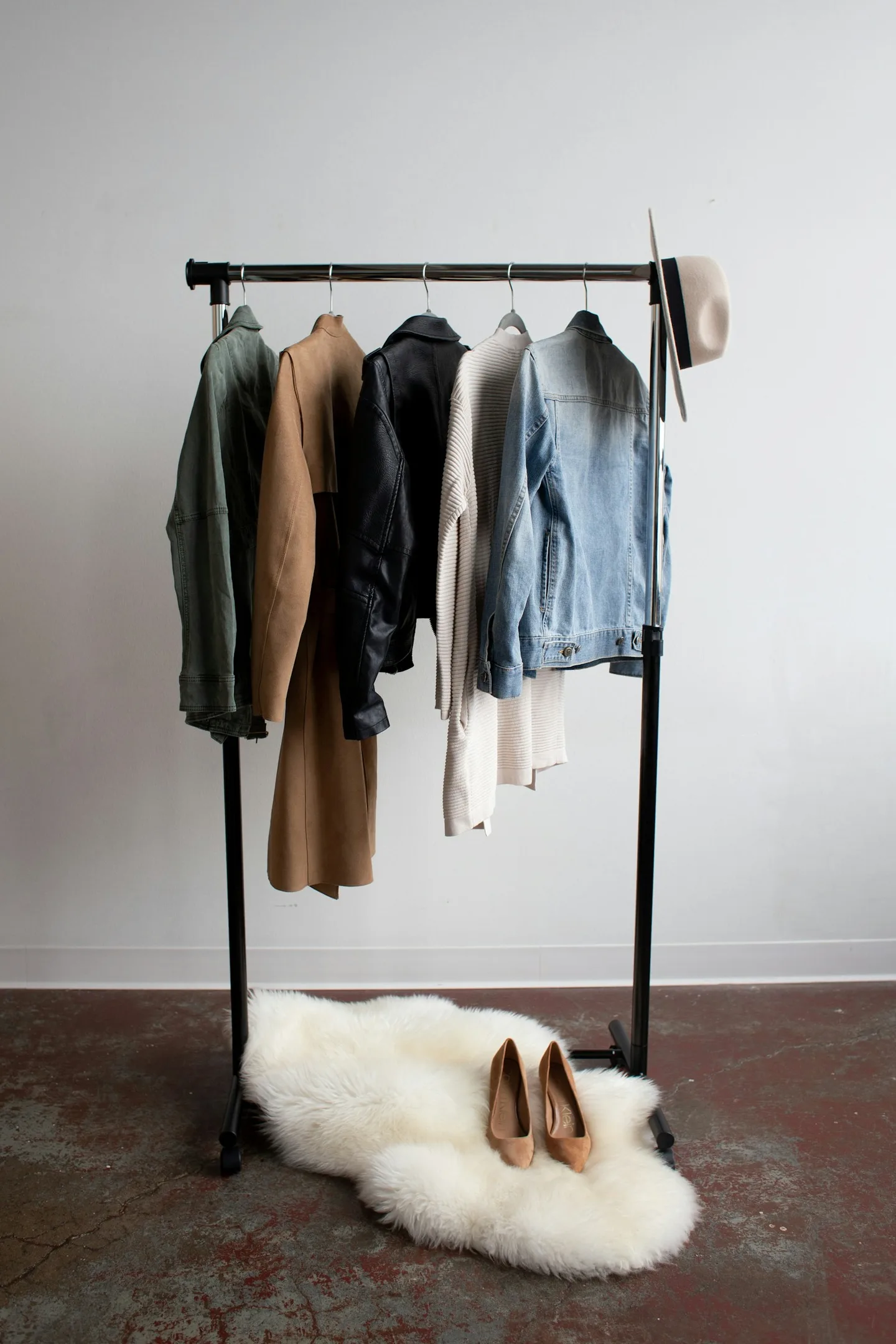
Choose clothes that belong together in formality and condition. Tailored trousers with a simple knit and tidy shoes can work for many relaxed office settings. A structured overshirt or cardigan may feel more natural than a suit jacket, depending on the workplace.
Avoid making a single expensive item carry the outfit. A formal jacket over a worn, ill-fitting base can look less considered than a simpler combination in good condition. Clean lines, comfortable fit, and appropriate maintenance usually matter more than a visible label.
Test the seated outfit
Interviews often involve more sitting than standing. Check the waist, lap, neckline, and sleeves while seated at a table. Reach as if taking notes. The outfit should allow you to concentrate on the conversation rather than adjust a cuff or tug down a top.
For a skirt or dress, assess coverage in the chair you are likely to use. For trousers, check whether pockets flare or the waistband becomes uncomfortable. If a garment requires a complicated fix before every wear, choose a more reliable option for this occasion.
Consider the journey and room
Plan shoes for the route as well as the meeting. If you change footwear on arrival, make sure the hem works with the interview pair. Carry a bag that holds your documents or device without requiring several loose items in your hands.
A removable layer helps with uncertain indoor temperatures. Try it on and off with the complete outfit so both versions feel finished. Keep accessories simple enough that they do not interfere with handshakes, note-taking, or a headset.
For a video interview
Look at the camera view before the day. Check the neckline and the way your top interacts with the background. Fine patterns can appear differently on camera, so use a brief recording to assess the actual image rather than guessing.
Dress comfortably below the frame too. You may need to stand up unexpectedly, and feeling fully prepared can reduce distractions. Arrange lighting and the camera separately from the clothing decision; a new blouse cannot solve a camera placed too low.
Spend with restraint
If you need one item, choose something that can join your ordinary wardrobe afterward. A neat trouser or simple knit may offer more value than an entire outfit bought for a single conversation. Allow enough time to try it, inspect it, and arrange any necessary alteration.
Borrowing can work if the fit is comfortable and the item is in good condition. Do not choose a borrowed garment solely because it is more expensive than your own. The interviewer sees the overall presentation, not the purchase history.
The evening-before checklist
- Read the interview instructions again.
- Try the whole outfit seated and standing.
- Check shoes, hems, buttons, and visible marks.
- Pack documents and practical essentials.
- Prepare a suitable outer layer for the journey.
Care and final questions
Follow each garment's care label when cleaning or pressing. GINETEX explains why garment-specific instructions matter. Test any permitted pressing method early enough to avoid a last-minute problem, and do not experiment with a new stain treatment just before leaving.
Are jeans acceptable? They may be in some workplaces, but use the employer's guidance. When uncertain, a comfortable non-denim trouser can remove one variable.
Do I need to hide personal style? No. A restrained color, favorite accessory, or familiar silhouette can make the outfit feel like you while remaining appropriate.
What matters most? An outfit that meets the setting and lets you focus on your preparation and conversation. Clothing supports the interview; it does not replace the skills and examples you bring.
Sources & further reading
Sources checked October 18, 2026. Availability and product details can change; check the seller's current description before buying.
Editorial issue: February 15, 2024. Issue dates organize this launch collection into two editions per month; they do not indicate that this article was online before its publication date.
Have a correction or a useful question? hello@livelyilearning.life