 Style
StyleA Small Spring Wardrobe That Does Not Feel Repetitive
Lively iLearning Editorial · 4 min read
Some links on this site are paid or affiliate links, which may earn us a commission. Editorial source links are provided for reference. How our links work.
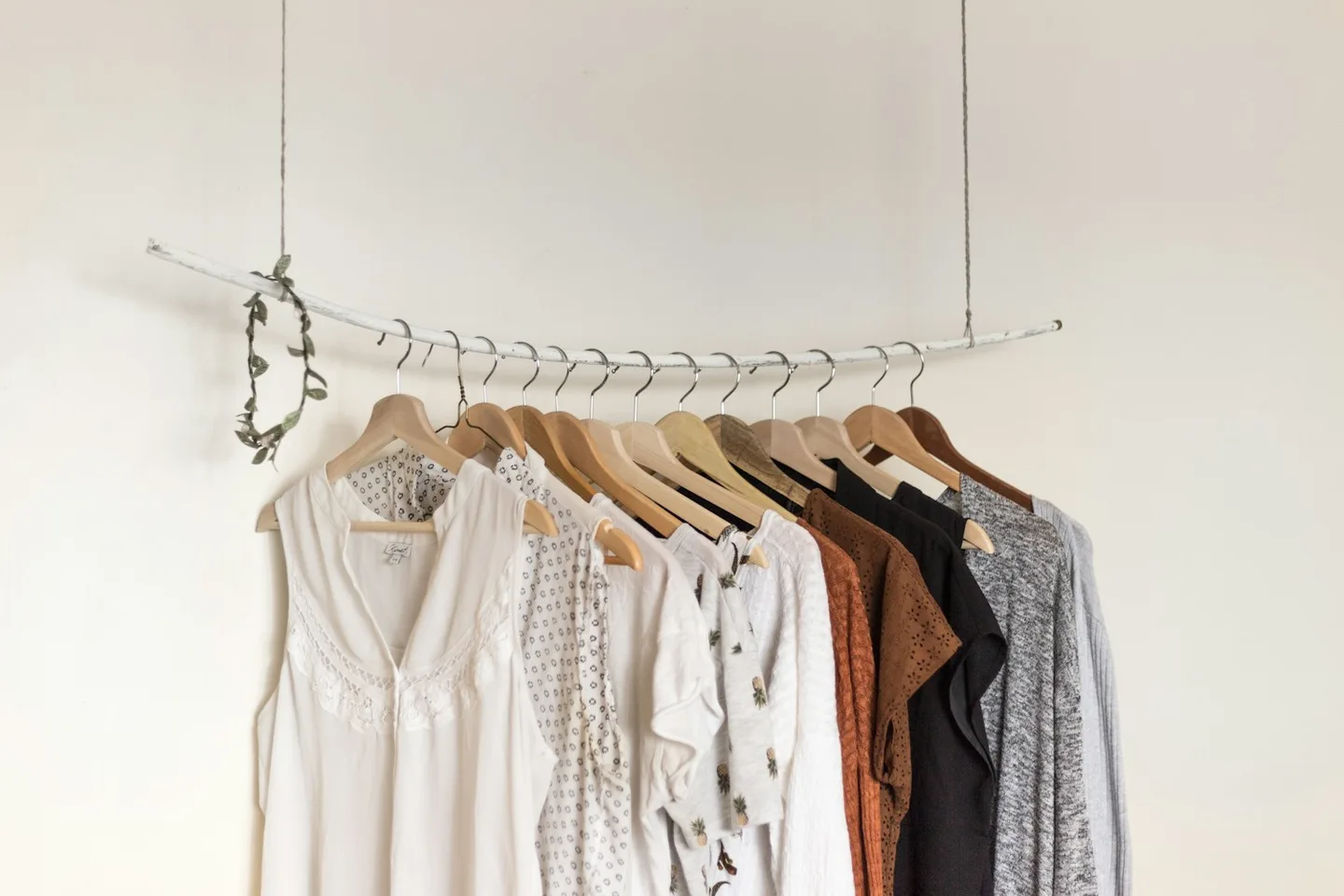
Spring wardrobes are often sold as a complete reinvention. Real life usually calls for something smaller: clothes that work on a cool morning, feel comfortable by lunch, and still make sense when rain arrives. Begin by listing the places you actually go in a normal week. A wardrobe for an office, a nursery pickup, and weekend walks needs a different balance from one built around formal events.
Give the week a realistic shape
Take seven days and write down the likely dress requirements. Count repeated activities rather than treating every day as a new occasion. If you wear casual trousers four days a week, they deserve more attention than a dress for a hypothetical garden party. Identify the point where you most often get stuck, such as a missing light jacket or shoes that work with cropped hems.
Choose two lower halves first. Straight jeans and a relaxed trouser can cover a wide range of situations without feeling identical. Add three tops that fit under the same outer layer. One can have a pattern, one can introduce a soft color, and one can be plain enough to repeat without drawing much attention.
Connect pieces through color
A small wardrobe becomes easier when its colors have a relationship. This does not require dressing entirely in beige. Try navy, cream, and faded blue as a base, then add coral or leaf green. The accent should work with both lower halves so it earns its space.
Hold the actual garments together in daylight. Two creams may have different undertones, and a supposedly neutral brown may feel difficult beside your favorite blue. If an almost-match bothers you, separate the pieces with a contrasting top rather than forcing them into a set.
Let layers do different jobs
A cardigan gives indoor warmth; a light coat handles the trip outside. Buying several thin layers with nearly identical functions can leave you spending more while still missing protection from wind. Check the fit of the full combination, including sleeves and the area across your back.
A shirt can also serve as an open layer over a simple top. Choose one with enough room to move rather than sizing down for a sharply fitted look. Roll the cuffs only if they remain comfortable and do not create a thick band beneath another sleeve.
Spend on the missing connection
Before buying a new statement piece, look for the item that makes existing clothes usable. A plain top with a suitable neckline may unlock three skirts. A pair of walkable shoes may make a dress practical for ordinary days. These purchases rarely dominate a mood board, but they can have a greater effect on how often you wear what you own.
Use a short wish list with a specific description: light jacket, hip length, room for knitwear, pockets that close. A clear brief makes it easier to compare products and reject an appealing item that does not solve the original problem.
A useful wardrobe map
| Piece | Main job | Second use |
|---|---|---|
| Straight jeans | Casual weekdays | Dinner with a soft blouse |
| Relaxed trousers | Work or appointments | Weekend with a striped tee |
| Light jacket | Morning layer | Structure over a dress |
Leave room for maintenance
A small wardrobe needs a laundry rhythm that fits its size. Do not put every favorite top into one wash if it leaves nothing ready for the next day. Check labels before combining garments. GINETEX explains why care instructions matter. Set aside anything needing a repair so it does not remain an invisible gap.
Questions that simplify the edit
Is there a correct number of pieces? No. Your schedule, climate, and washing arrangements matter more than a universal capsule number.
Should occasion wear count? Keep it accessible, but do not force a rarely worn formal outfit to determine all your everyday colors.
What if I enjoy variety? Rotate a few accessories or tops through the base. A small working wardrobe can support creativity without requiring every garment to match every other garment.
Sources & further reading
Sources checked October 18, 2026. Availability and product details can change; check the seller's current description before buying.
Editorial issue: July 1, 2023. Issue dates organize this launch collection into two editions per month; they do not indicate that this article was online before its publication date.
Have a correction or a useful question? hello@livelyilearning.life