 Style
StyleA Wardrobe Edit That Leads to Better Purchases
Lively iLearning Editorial · 4 min read
Some links on this site are paid or affiliate links, which may earn us a commission. Editorial source links are provided for reference. How our links work.
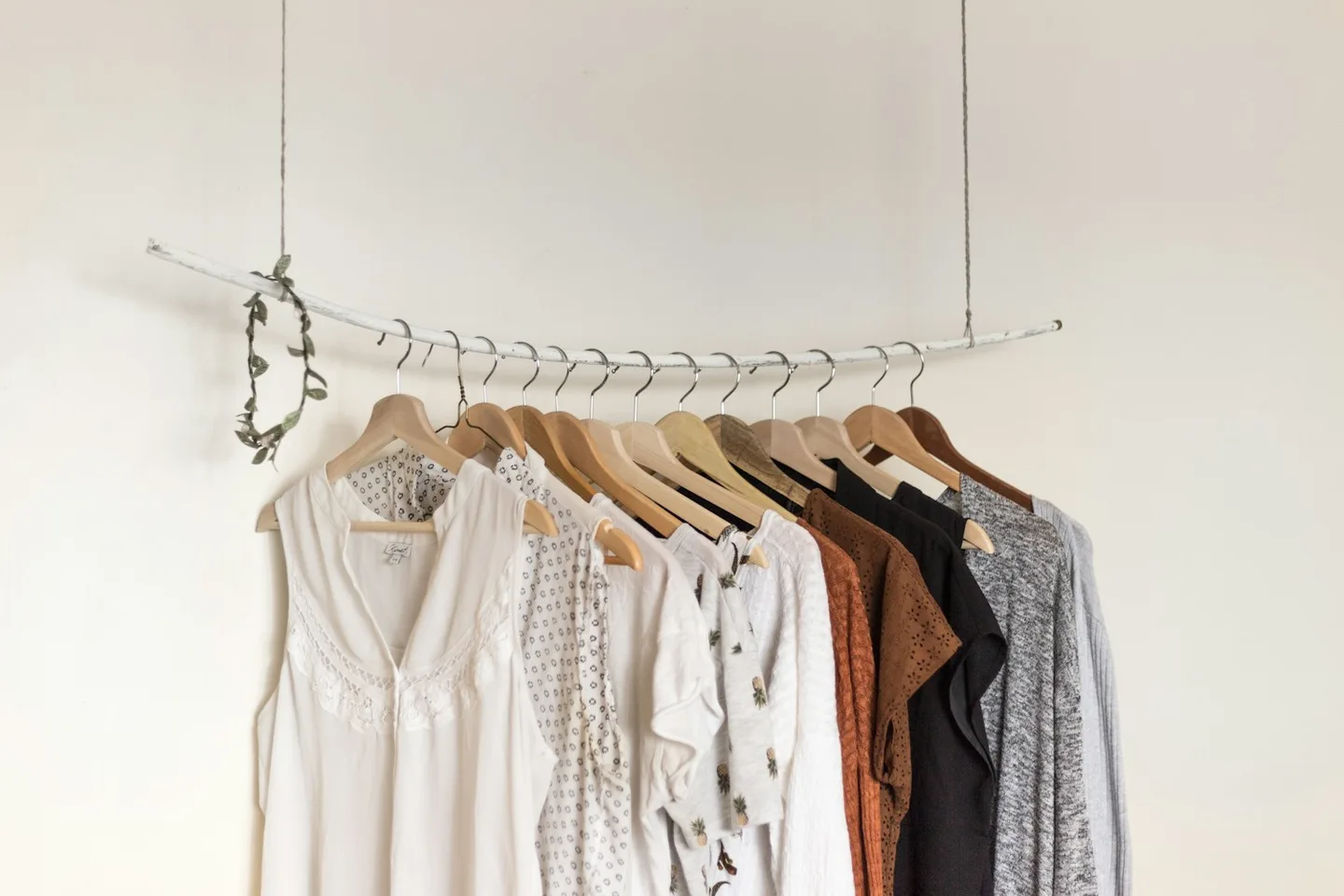
A wardrobe edit is more useful when it ends with a clearer way to get dressed, rather than simply fewer hangers. You do not need to discard everything that falls outside a strict palette or an idealized lifestyle. Start with the clothes you wear, the activities you actually do, and the small problems that make choosing an outfit harder.
Work in manageable sections
Choose one category or one rail rather than emptying every cupboard at once. Leave enough time to try things on and put them away properly. A rushed all-day clear-out can turn thoughtful decisions into fatigue.
Keep a separate place for items that need repair, alteration, cleaning, or further thought. Those are different decisions from keeping or removing. Write the required action on a note so the garment does not disappear into an indefinite pile.
Judge fit in the present
Try clothes on as you are now, with suitable underlayers. Sit, walk, and move normally. Keep the focus on whether the garment supports your current life. A label size is not a judgment, and a garment that no longer fits does not need to become a daily source of frustration.
If a piece has sentimental value, it can be stored as a keepsake without occupying the space for everyday clothing. Separating those roles helps you respect the memory while making the working wardrobe easier to use.
Build outfits before removing difficult pieces
An overlooked skirt may need a top with a different length rather than replacement. A jacket may work with casual trousers even if its original matching piece is gone. Try combinations using clothes already present before declaring an item unusable.
At the same time, avoid creating elaborate rescue projects for every garment. If a piece requires new shoes, a special underlayer, and an expensive alteration, compare that effort with how much you actually want to wear it.
Identify the true gaps
Look for repeated obstacles. Perhaps several outfits lack a comfortable shoe, or every useful top needs washing on the same day. Those are practical gaps. A broad feeling of having nothing to wear may be caused by one missing connection rather than a shortage of clothes overall.
Turn each gap into a specific purchase brief. Include shape, color, fit requirements, and maintenance. For example, a short neutral cardigan with sleeves roomy enough for a shirt is more actionable than buy knitwear.
Make responsible exit plans
For items leaving the working wardrobe, consider resale, donation, repair, or textile collection according to condition and local options. Check the recipient's actual requirements. Do not assume that damaged or dirty clothing is useful simply because it is being donated.
Allow decisions to happen at a realistic pace. A small review box can help with uncertain items, provided you set a date to revisit it. Otherwise it becomes another hidden wardrobe that adds storage without clarity.
A useful editing checklist
- Can I wear this comfortably in my current routine?
- Does it form at least one complete outfit?
- Is a repair or alteration realistic?
- Does it need cleaning before storage or donation?
- What exact gap remains when the useful pieces are visible?
Care before storage
Inspect garments and follow their individual labels. GINETEX emphasizes care instructions for textiles. Store clothing fully dry and make repairs before the next season when possible. Keeping a favorite item in usable condition can be more valuable than replacing it during the next shopping cycle.
Questions after the edit
Should I remove everything unworn for a year? Not automatically. Seasonal needs, formal occasions, and changes in routine can explain limited use. Evaluate the reason.
Do I need matching hangers? Only if they improve storage for you. Clear visibility and appropriate support matter more than a uniform photograph.
What should I buy first? The item that makes the most existing clothes wearable, after repairs and simple styling changes have been considered.
How often should I repeat this? Review when your routine or season changes, and handle small repairs continuously. A working wardrobe usually benefits from regular attention more than dramatic, infrequent overhauls.
Sources & further reading
Sources checked October 18, 2026. Availability and product details can change; check the seller's current description before buying.
Editorial issue: June 15, 2024. Issue dates organize this launch collection into two editions per month; they do not indicate that this article was online before its publication date.
Have a correction or a useful question? hello@livelyilearning.life