 Style
StyleBuying a White Shirt for Your Actual Life
Lively iLearning Editorial · 4 min read
Some links on this site are paid or affiliate links, which may earn us a commission. Editorial source links are provided for reference. How our links work.
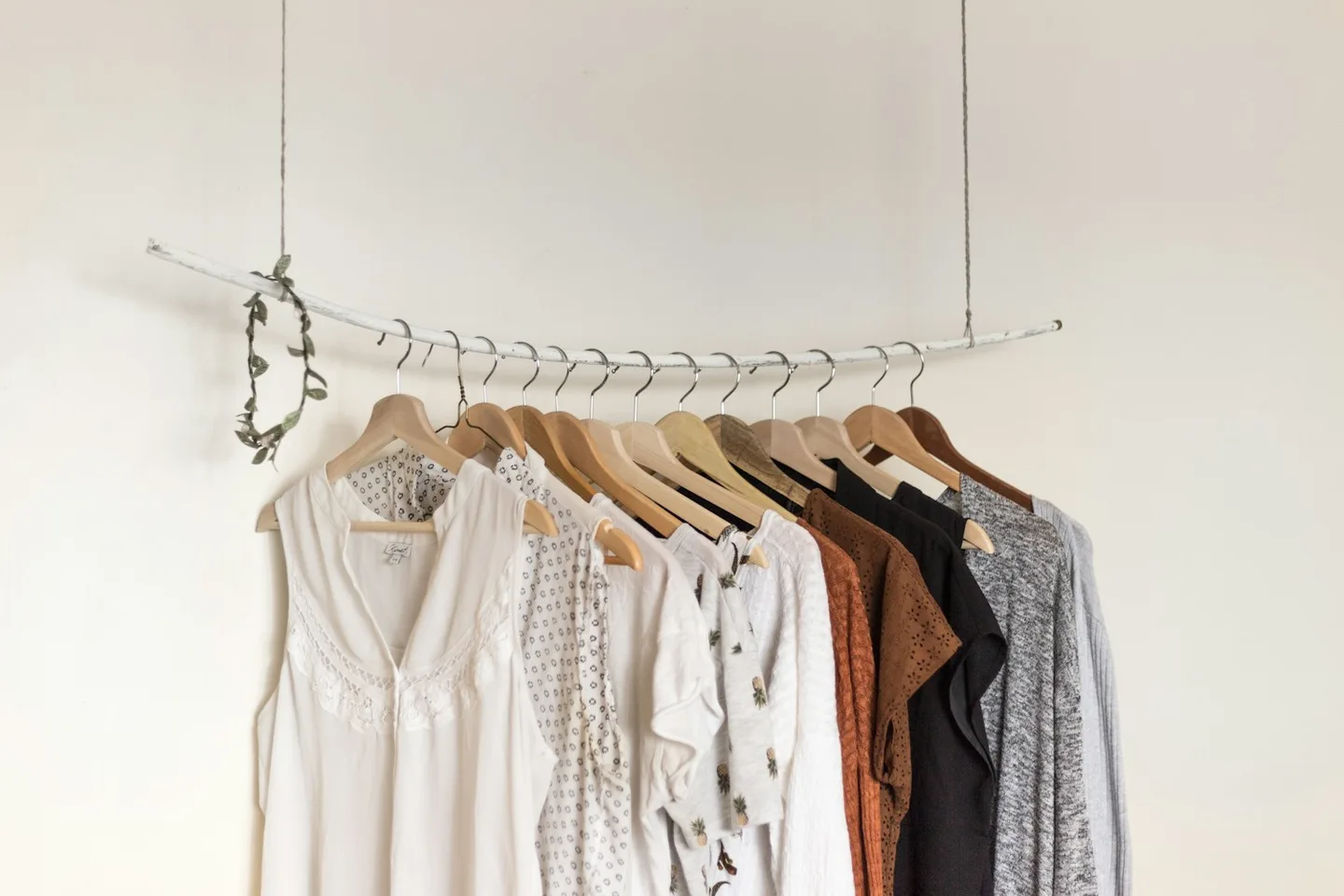
The white shirt is often presented as a universal wardrobe solution. In practice, the right version depends on how you dress. A crisp shirt for a formal office, a soft oversized layer, and a short casual button-up are different garments. Begin with the outfit you want to make rather than the idea that everyone needs the same classic.
Decide how it will be worn
If you plan to tuck it into trousers, check the length and the amount of fabric around the waist. Too little length can pull free; too much can bunch. If you prefer an untucked shirt, examine the hem shape and where it falls in relation to your hips and jacket.
For an open layer, allow enough room through the shoulders and upper arms. Try it over the top you intend to wear underneath. A shirt that works buttoned directly against the body may feel restrictive as a light jacket.
Test the button line and collar
Fasten the shirt and sit down. Reach forward, cross your arms, and bend slightly. Look for gaps between buttons and tension across the back. If the fit is close in one area and loose elsewhere, another cut may be more useful than changing size alone.
The collar should feel comfortable whether worn open or closed. Check how it sits under a cardigan or jacket. A large rigid collar may be a lovely detail, but it can fight with the lapels of your existing outerwear.
Assess opacity honestly
Try the shirt in daylight with the underlayer you would actually wear. Pale fabrics vary widely. A sheer shirt can be a deliberate style choice, but it should not be an unwelcome surprise before a meeting. Check the back and sleeves as well as the front.
Do not assume that a thicker shirt is automatically the better purchase. It may feel too warm or stiff for your intended use. A softer fabric can drape beautifully, while a firmer one gives a more defined outline. Choose the effect and comfort you want.
Put sleeves through a working day
Cuffs should close comfortably without interfering with a watch or your normal hand movement. Roll the sleeves if that is how you usually wear shirts. Some fabrics create a manageable roll; others become bulky or quickly unfold.
Consider practical activities such as typing, cooking, or carrying a child. Very long sleeves may be attractive but inconvenient for those tasks. Alterations can sometimes help, though cuff construction affects what is possible. Ask before buying a shirt that needs a substantial change.
Decide where the money goes
Look for neat buttonholes, consistent seams, secure buttons, and a hem that lies evenly. Read the fabric and care information. A recognizable label does not guarantee the specific fit you need, and a modestly priced shirt can be useful if its construction and proportions work.
Try the shirt in three combinations: with your usual trousers, over a simple top, and beneath an existing layer. If it works only in a carefully staged outfit, it may not deserve the central role promised by its classic status.
The fitting checklist
- The button line stays comfortable when seated.
- The shoulders allow reaching without strong pulling.
- The hem works in your preferred tucked or untucked style.
- The fabric provides the coverage you want.
- The cuffs suit your daily activities.
Keep the white practical
Treat marks promptly using the label's permitted method. GINETEX supports following garment care instructions. Avoid assuming every white garment tolerates bleach or high heat; trims, finishes, and fiber blends can change the requirements.
Questions to ask
Do I need pure cotton? Not necessarily. Compare the feel, drape, and care needs of the actual shirt.
Can cream replace white? Absolutely. Choose the shade that works with your wardrobe and preferences.
Should I buy several once I find one? Wear and care for the first before duplicating it. Real use reveals more than a brief try-on.
Sources & further reading
Sources checked October 18, 2026. Availability and product details can change; check the seller's current description before buying.
Editorial issue: February 1, 2024. Issue dates organize this launch collection into two editions per month; they do not indicate that this article was online before its publication date.
Have a correction or a useful question? hello@livelyilearning.life