 Travel
A Light Nature-Weekend Kit for a Short, Planned Outing
Lively iLearning Editorial · 4 min read
Some links on this site are paid or affiliate links, which may earn us a commission. Editorial source links are provided for reference. How our links work.
Name the outing accurately
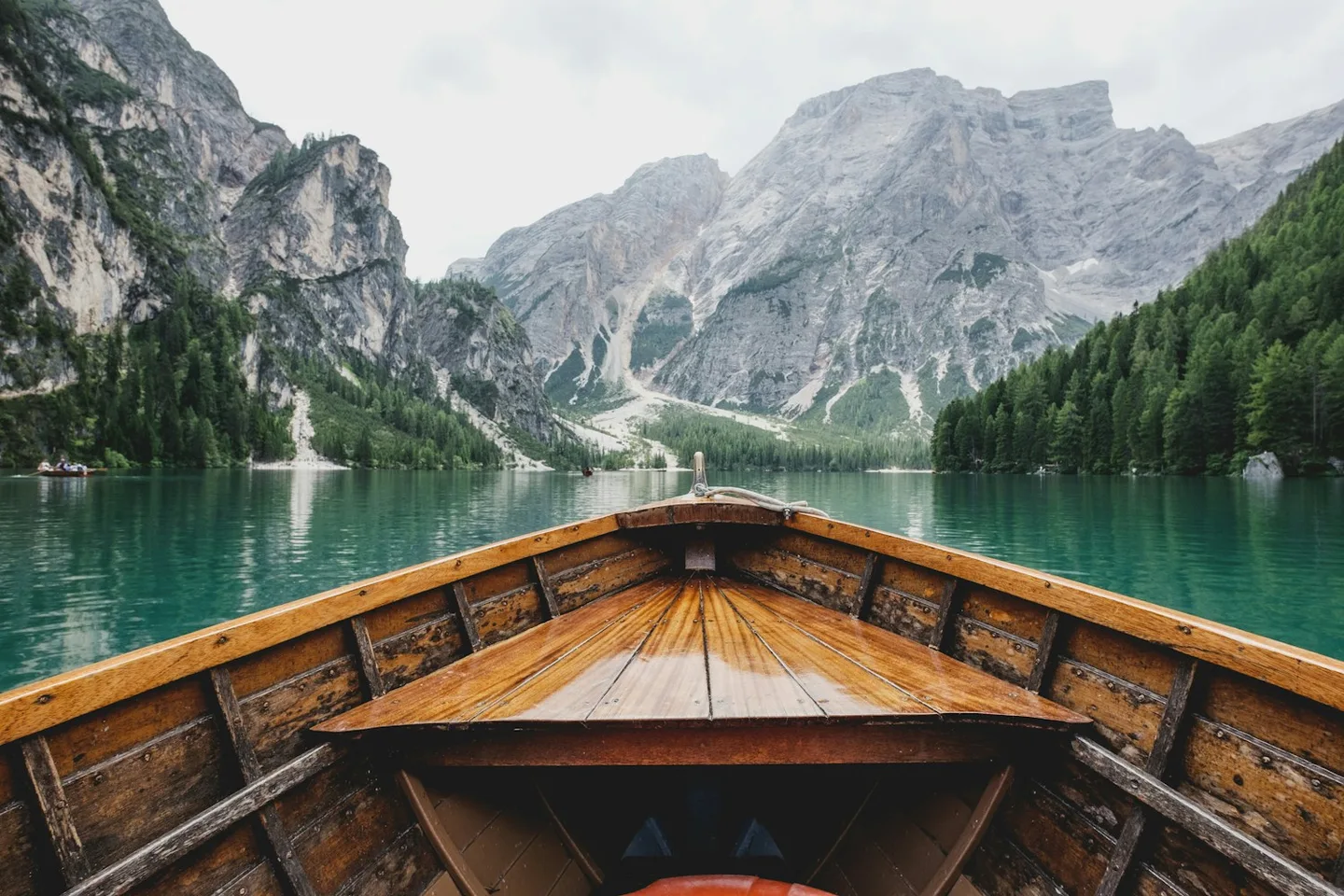
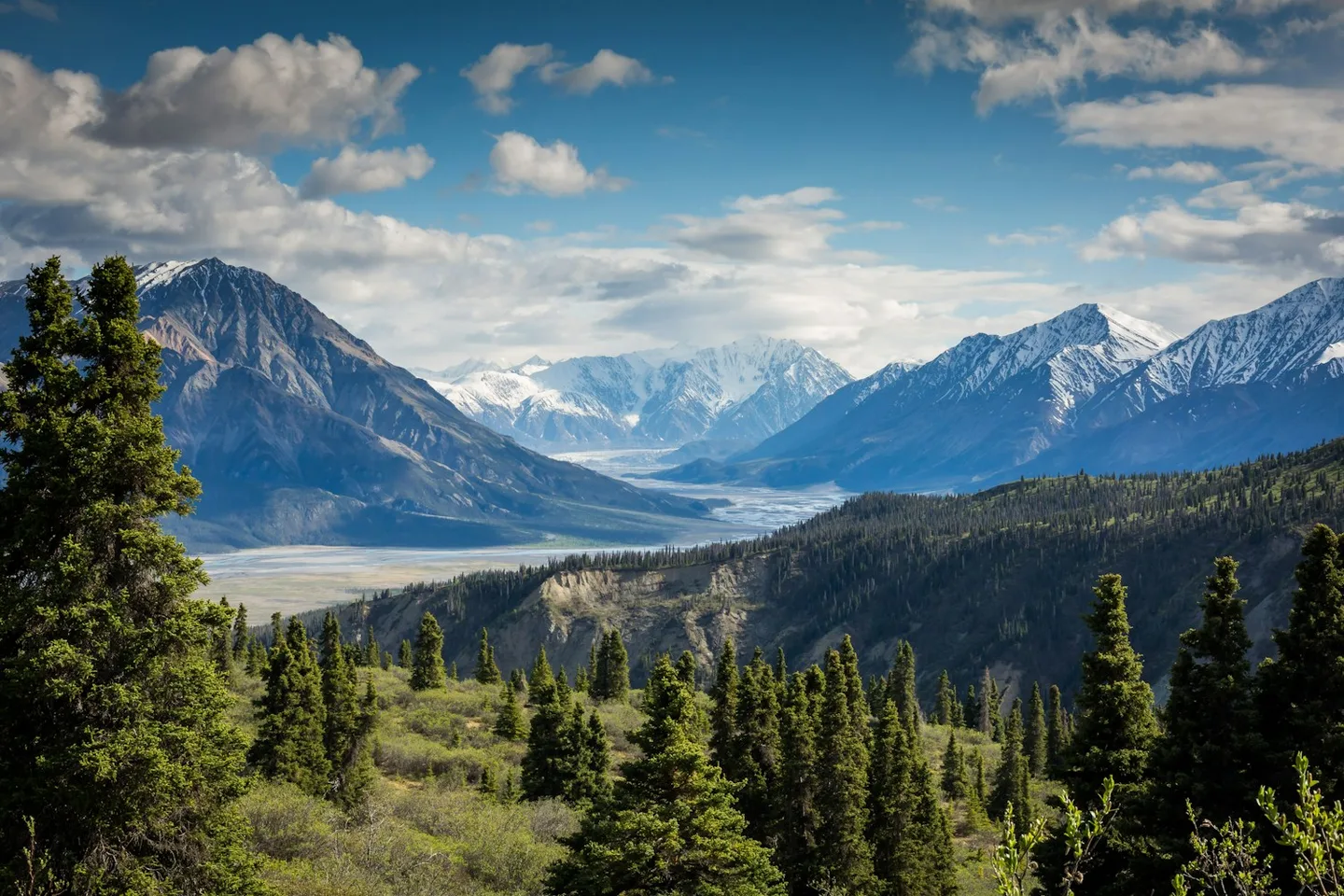
A nature weekend can mean a scenic viewpoint beside a road, a short maintained path, or a much more demanding excursion. Start by identifying the actual activity rather than packing from the broad label. Read current information from the place managing the route, including conditions, access, and any relevant restrictions. The National Park Service's trip-planning guide is a useful planning reference: preparation belongs to the specific place and activity. A photograph of an easy-looking landscape cannot establish what the route requires. Choose an outing appropriate to the people going and be willing to shorten or change it. A weekend is not improved by stretching an unfamiliar activity to match an image of what outdoor travel should look like.
Separate everyday travel from activity gear
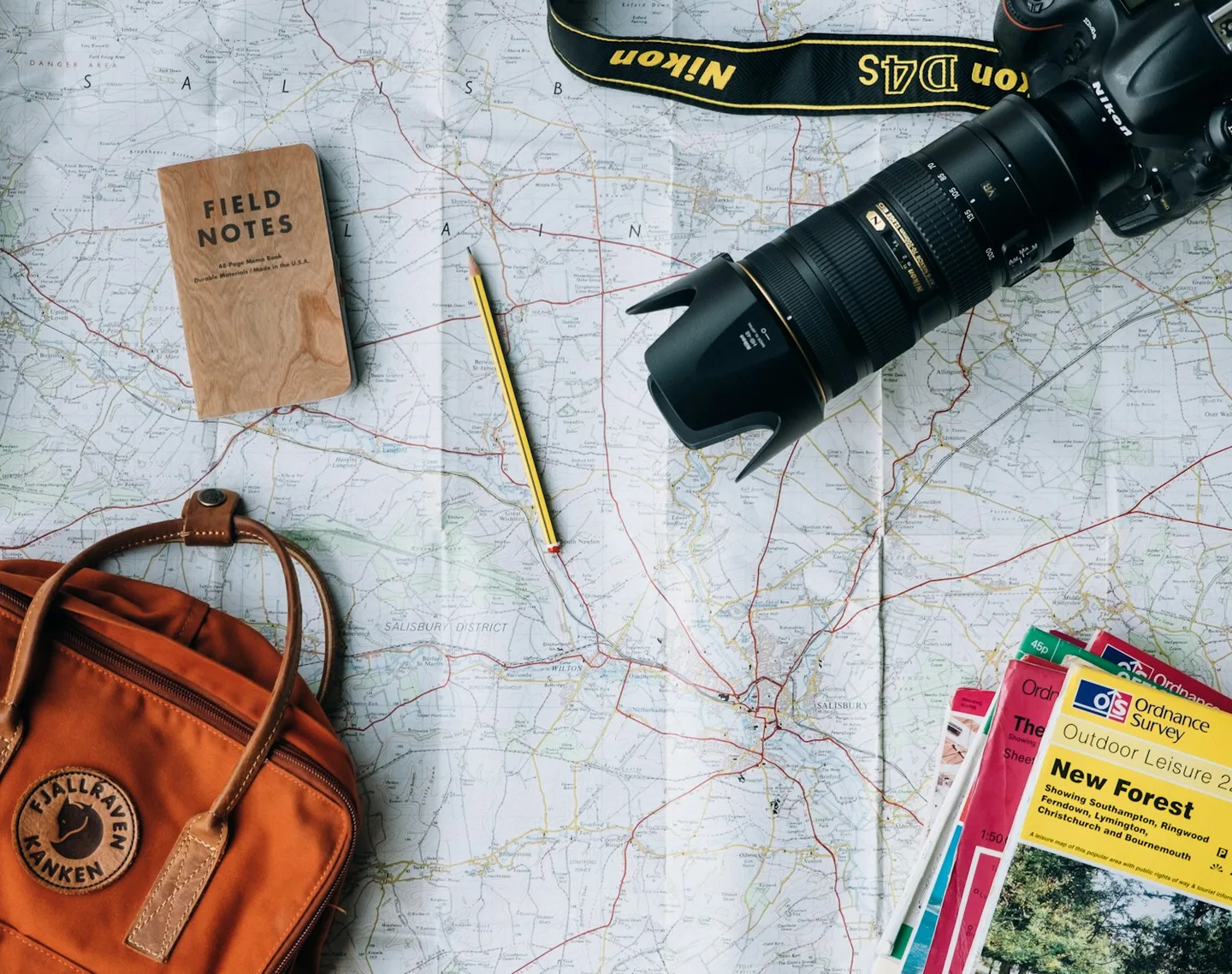
Keep your accommodation clothing and ordinary toiletries in the main bag, then build a distinct kit for the outing. This prevents you from assuming the entire suitcase somehow counts as preparation. Use the relevant official guidance to decide what belongs in that kit, including the current conditions and the expected duration. The NPS Ten Essentials resource can prompt the categories to consider, but it is not a substitute for local information or appropriate knowledge. Test any equipment before departure and make sure you understand its use. Avoid buying specialist products simply because they appear on an aspirational checklist. If preparation reveals that the outing is unsuitable, choose a different one rather than relying on new equipment to solve the mismatch.
Evaluate the bag with the real load
A bag that carries a sweater comfortably may behave differently with the items required for your activity. Try it loaded, adjust it using the manufacturer's instructions, and walk in a setting appropriate for checking fit. Look for easy access to necessary items without unloading everything. Inspect closures and straps for obvious problems. Choose footwear familiar enough for the intended route rather than treating the weekend as a trial of something new. Keep weather exposure and product limitations in mind; an ordinary fashion bag is not automatically suitable protective storage. Spend where an identified requirement exists and seek appropriate specialist guidance when needed. A smaller, well-understood outing can be a better choice than a larger purchase.
Keep an alternative and a return routine
Share appropriate plans with the people who need them, and understand the local guidance about communication and changing conditions. Do not assume a phone signal or an app will always be available. Decide beforehand what would make you alter the plan. Leave enough time for the return and the ordinary tasks afterward, including drying and cleaning equipment according to its instructions. Keep muddy footwear and damp items away from the accommodation wardrobe during transport. On reaching home, inspect the kit and note anything that needs attention. The point of a light nature weekend is not minimal equipment at any cost. It is a clearly chosen activity, suitable preparation, and enough flexibility to enjoy the setting without letting the packing list stand in for judgment.
Decision checklist
| Situation | Action |
|---|---|
| Scenic stop or longer walk | Identify the actual route and its current requirements. |
| Unfamiliar equipment | Learn its use before relying on it away from home. |
| Conditions change | Follow the local guidance and use an appropriate alternative. |
Travel questions
Can a generic checklist tell me I am ready?
No. It can prompt questions, but readiness depends on the activity, conditions, equipment, knowledge, and people involved. Use the relevant local official information.
Should I buy a larger backpack?
First establish the actual needs and whether the outing is suitable. Choose a well-fitting bag for a known load rather than making capacity the starting point.
Sources & further reading
Sources checked October 18, 2026. Availability and product details can change; check the seller's current description before buying.
Editorial issue: August 15, 2025. Issue dates organize this launch collection into two editions per month; they do not indicate that this article was online before its publication date.
Have a correction or a useful question? hello@livelyilearning.life