 Travel
A Slow Travel Day: Build an Itinerary with Breathing Room
Lively iLearning Editorial · 4 min read

Some links on this site are paid or affiliate links, which may earn us a commission. Editorial source links are provided for reference. How our links work.
Choose one real priority
A travel day gets crowded when every interesting place becomes a requirement. Start with one activity you would be disappointed to miss: a gallery, a long walk, a neighborhood, or time with someone you are visiting. Make that the anchor. Check opening times, booking details, and the realistic journey there through the operator's current information. Then ask what the day should feel like between anchors. If you enjoy lingering over meals and browsing small shops, allow enough time for that behavior. Do not write an itinerary for a faster version of yourself. A list with fewer stops can produce a rich day because the time at each place is genuinely usable rather than hurried.
Group by geography and energy
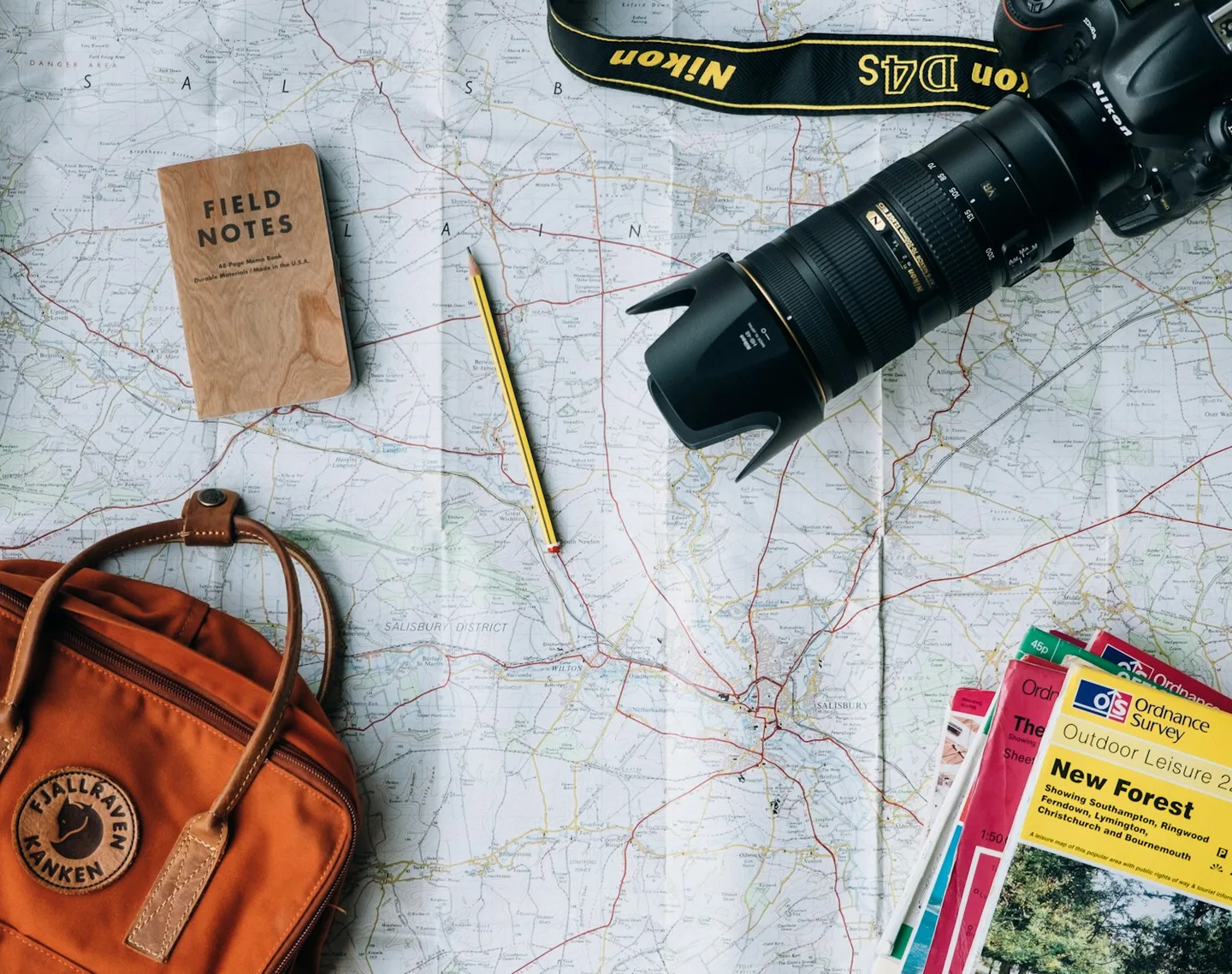
Place possible stops on a map and look for natural clusters. Two attractive places across town may be a poor pairing in a short window. Consider whether the transfer itself is enjoyable or simply consumes the afternoon. Check current transport information directly when a connection matters to the plan. Alternate activities requiring close attention with opportunities to rest. A long museum visit followed by another exhibition may suit one traveler and exhaust another. Build in a flexible pause rather than assuming a café appears precisely when needed. Carrying a modest day bag also helps you move comfortably between a walk and an indoor stop without reorganizing a large load at every entrance.
Reserve selectively
Book experiences that require reservations, then resist reserving every meal and free hour around them. A tightly timed lunch can turn the morning into a clock-watching exercise. If a reservation is important, leave a generous transition and understand its terms. Avoid activities you would enjoy only if every earlier part of the day runs perfectly. Choose purchases that reduce a repeated inconvenience, such as a comfortable day bag, instead of buying gear to support an overambitious schedule. You may not need a larger battery, extra shoes, and elaborate meal containers when the plan includes sensible returns to your accommodation. Sometimes changing the itinerary reduces the packing list more effectively than buying an organizer.
Create a relevant fallback
Write down an indoor alternative, a shorter outdoor option, and a clear route back. This is enough structure to adapt without designing an entire parallel holiday. If conditions or opening arrangements change, you have ideas relevant to the area. Keep essential addresses accessible offline so a weak connection does not dictate the pace. The NPS planning framework helps structure questions about current information and alternatives, though urban venues require their own sources. Judge the day by attention and enjoyment rather than the number of boxes checked. Slow travel is intentional: it reserves time for noticing things too small or unexpected to appear on the original list, and gives companions space to express what they want next.
Discuss the pace with companions before treating free time as a shared preference. One person may want a long stop while another enjoys walking continuously. A short period of separate activities can sometimes work when everyone agrees on the arrangements. The useful goal is a day that suits the people present, rather than a fashionable version of slow travel imposed on them.
Decision checklist
| Situation | Action |
|---|---|
| One essential experience | Confirm it and build realistic transitions around it. |
| Two distant districts | Choose a cluster or make the transfer an intentional activity. |
| Changed weather | Use a relevant fallback instead of forcing the route. |
Travel questions
Will a light itinerary waste a short trip?
It can help you use limited time attentively. Keep optional ideas if you enjoy choices, without making every option another obligation to complete.
How many bookings fit a day?
There is no universal count. Duration, travel time, energy, and the people with you provide more useful limits than a fixed number.
Sources & further reading
Sources checked October 18, 2026. Availability and product details can change; check the seller's current description before buying.
Editorial issue: January 15, 2025. Issue dates organize this launch collection into two editions per month; they do not indicate that this article was online before its publication date.
Have a correction or a useful question? hello@livelyilearning.life