 Lifestyle
Planning a Gallery Wall Before Making the First Hole
Lively iLearning Editorial · 4 min read
Some links on this site are paid or affiliate links, which may earn us a commission. Editorial source links are provided for reference. How our links work.
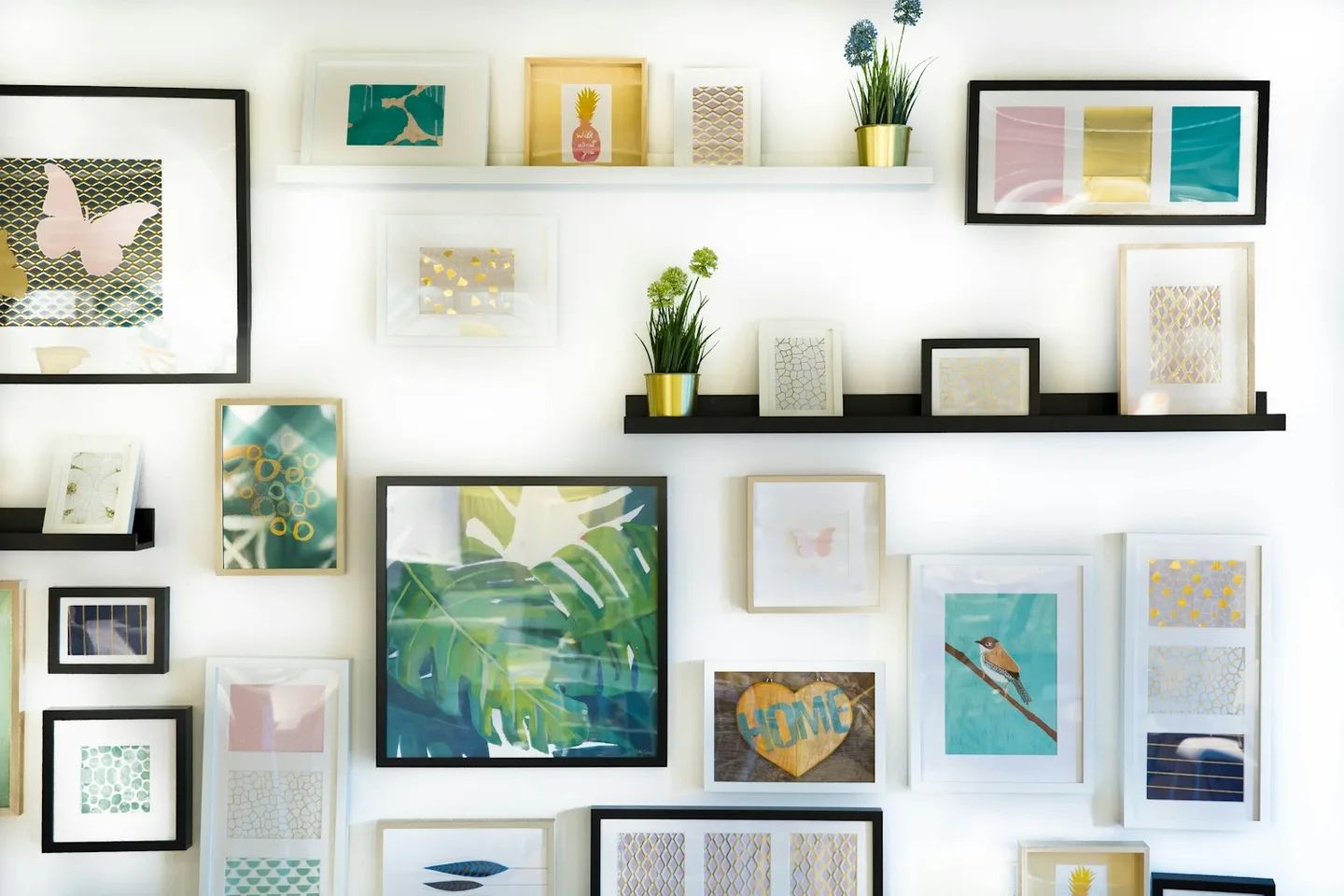
A gallery wall can bring together photographs, prints, and small pieces collected over time. It does not need to be purchased as one coordinated set. The planning happens in the relationship between the pieces: their scale, spacing, colors, and position in the room. Begin with what you want to display and leave installation decisions until the arrangement is clear.
Choose the wall in context
Look at the wall from the places where you normally see it. A hallway display is experienced differently from a grouping above a sofa. Check furniture position, door swings, and the visual weight of nearby objects before deciding on the overall size.
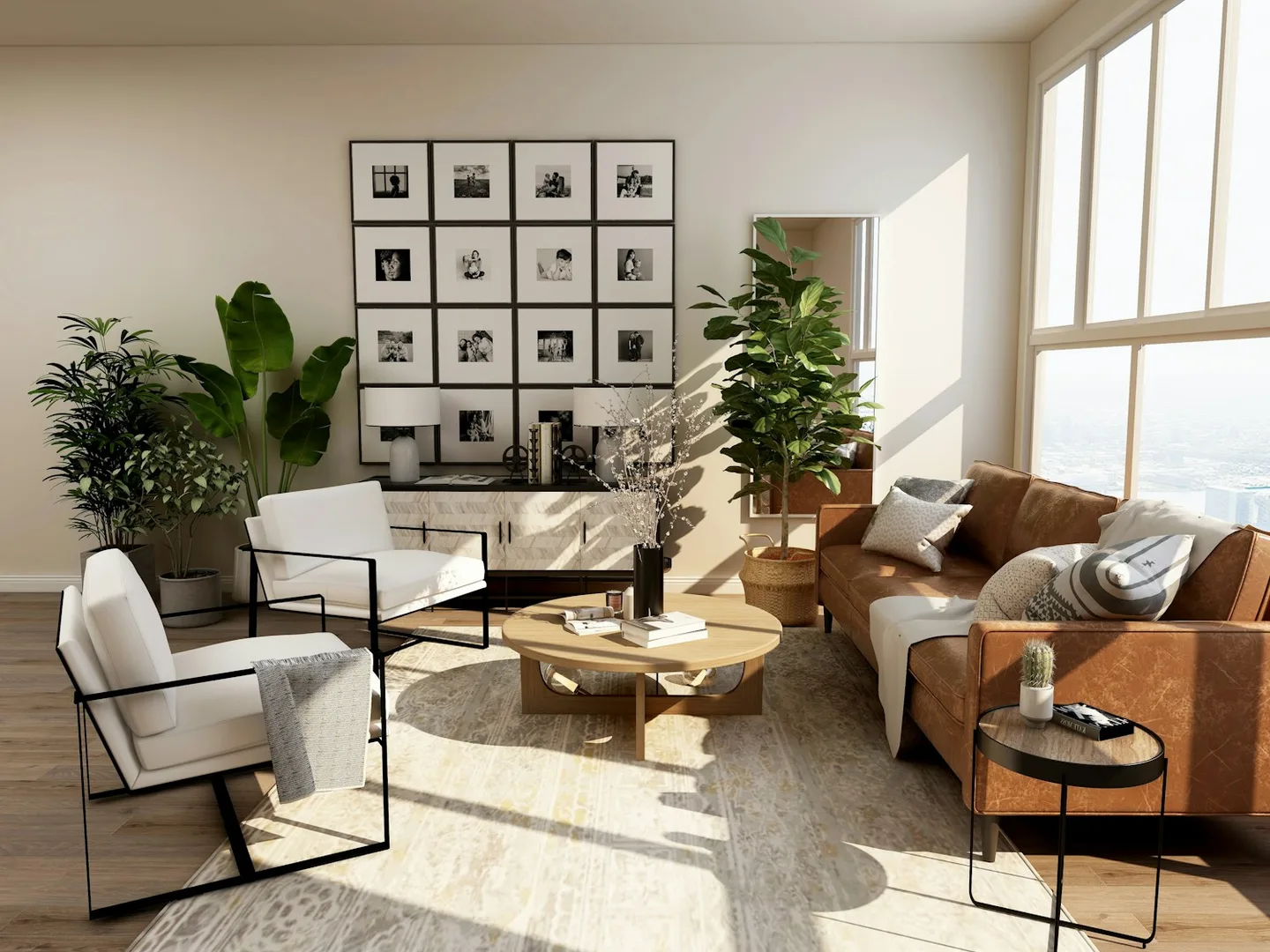
Avoid treating an empty wall as an obligation to fill every part. A smaller grouping can feel deliberate when it relates to the furniture beneath it. Leave enough surrounding space for the individual pieces to remain visible.
Build the arrangement on the floor
Gather the frames and try several layouts before attaching anything. Start with the largest or most visually important piece, then place others around it. Look for balance rather than perfect symmetry unless symmetry is the effect you want.
Use a shared element to connect varied pieces: a similar frame finish, repeated color, or related subject. You do not need all three. A wall can feel coherent while retaining the character of different photographs and prints.
Transfer the layout with paper
Trace the outer dimensions onto paper and place the templates on the wall using a suitable temporary method. Check the layout from across the room and at your normal viewing height. Measure spacing consistently where you want a regular rhythm.
Leave the templates in place long enough to notice practical issues. A frame may sit too close to a switch or appear disconnected from the furniture. Adjusting paper is easier than repairing an unnecessary hole.
Match the fixing to the real object
Know the weight and construction of each framed piece, including glazing. Choose an installation method suitable for the wall and frame. If using adhesive hanging products, follow the exact package instructions and stated limits. Command's official instructions stress correct application.
Do not assume that adding more strips or using a larger nail solves an unsuitable surface. Seek appropriate installation advice when the wall type or object is unclear. Keep valuable or heavy pieces within a method designed for the task.
Spend on the presentation that matters
A good mount or appropriately sized frame can make an existing print feel more considered. Compare the cost of reframing with buying new artwork solely to fit a frame already owned. Sometimes the useful purchase is a frame; sometimes the arrangement simply needs editing.
Check secondhand frames carefully for sound corners, secure backs, and appropriate hanging hardware. Replacing damaged glazing or fittings can change the total cost. A bargain frame should still be suitable for the piece it will hold.
Before installation
- Confirm the full arrangement with paper templates.
- Check viewing height from ordinary positions.
- Measure each frame's actual weight.
- Identify the wall type and suitable fixing.
- Follow the hanging product's complete instructions.
Keep the wall flexible
Photograph the layout and keep a note of sizes if you expect to add pieces later. Dust frames according to their materials and inspect fittings when changing the display. A gallery wall can evolve without being completely rebuilt.
Common questions
Must every frame match? No. A repeated finish or color can help, but varied frames can work when the overall arrangement is balanced.
Should spacing be identical? It can create order, though a more varied arrangement is also possible. Make the choice deliberate.
Can renters make a gallery wall? Check the rental agreement and wall conditions, then choose a permitted suitable method. Damage-free marketing is not a substitute for following product instructions.
Sources & further reading
Sources checked October 18, 2026. Availability and product details can change; check the seller's current description before buying.
Editorial issue: February 15, 2026. Issue dates organize this launch collection into two editions per month; they do not indicate that this article was online before its publication date.
Have a correction or a useful question? hello@livelyilearning.life